At the heart of Buddhism lies a quiet simplicity: an invitation to unburden the mind and live with greater intention. It isn’t about austere renunciation, but about clearing noise so clarity, compassion, and presence can arise.
From short retreats to everyday rituals, I’ve seen how smaller choices—fewer possessions, gentler schedules—shift attention inward. Simplicity appears in honest speech, ethical living, and the willing release of endless wanting.
These few lines are a doorway to practical habits you can try right away. Let’s dive into the details below and see exactly how simplicity can transform daily life.
Quieting the Daily Momentum
Rituals that Anchor, Not Enchain
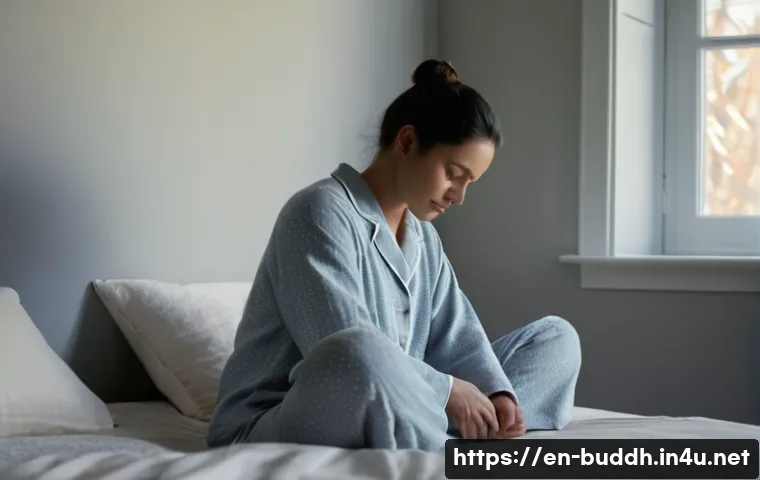
Choose two tiny rituals that bookend your waking hours: a moment of breath before you leave the bed and a deliberate pause after you set your phone down at night. These are not chores to add to a to-do list; they are gentle anchors that remind you your day is a sequence of lived moments, not an endless stream of tasks. When practiced with patience, these micro-rituals carve safe pockets of calm into an otherwise hurried schedule, allowing your attention to settle and your senses to register what you might otherwise miss. Over weeks they change the shape of experience: mornings become less reactive, evenings less cluttered, and the habitual rush softens into a steady pace that supports clarity rather than drains it.
Minding Transitions Like Sacred Doors
Between meetings, meals, or commutes, insert a deliberate transition: three conscious breaths, five seconds of noticing your posture, or a single sentence intention. Treat transitions as thresholds rather than mere gaps; they are moments ripe for reorientation. By approaching them with curiosity instead of obligation you create mental whitespace that prevents one moment’s stress from bleeding into the next. This practice reshapes how responsibility feels — not like a mounting stack to be managed but like a sequence of invitations, each one asking only for a small, present response.
Less, But Not Lessening
Deciding What Deserves Space
Decluttering isn’t about an aesthetic trend; it’s an ethical conversation with your time and energy. Ask: does this object, commitment, or habit support presence or distract from it? The goal is not to own nothing but to own what reliably enriches your life. Start with one drawer, one calendar slot, or one recurring subscription. Remove the unnecessary and observe how attention returns to a few things done well. The payoff is subtle but cumulative: fewer choices means fewer tiny anxiety storms, and your nervous system rewards you with steadier focus.
Keeping With Care, Letting Go With Kindness
When you let go of possessions or obligations, do it with a short ritual: acknowledge why it once mattered, thank it for its service, and release it without dramatizing loss. This gentle closure trains the heart to notice value without clinging. Practically, it reduces decision fatigue and frees physical space that mirrors inner space. Emotionally, it teaches discernment — how to distinguish between desire born of boredom or habit and the quiet draw of genuine need. Over time that discernment becomes a compass for simpler living.
Shelter for the Attention
Designing a Small, Intentional Space
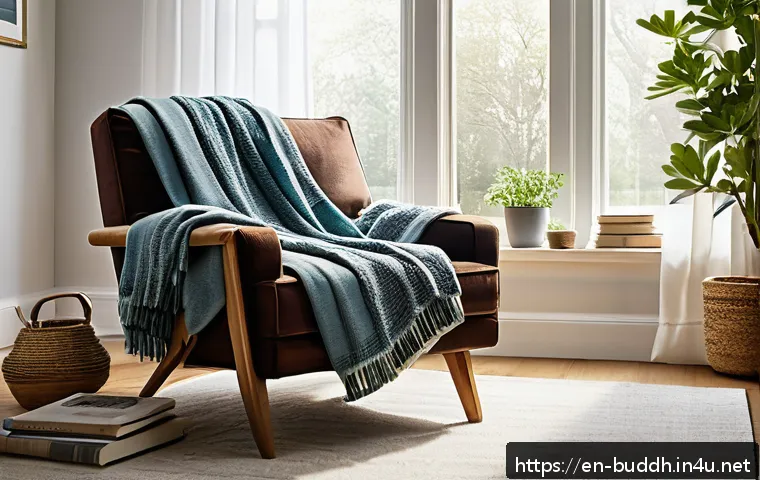
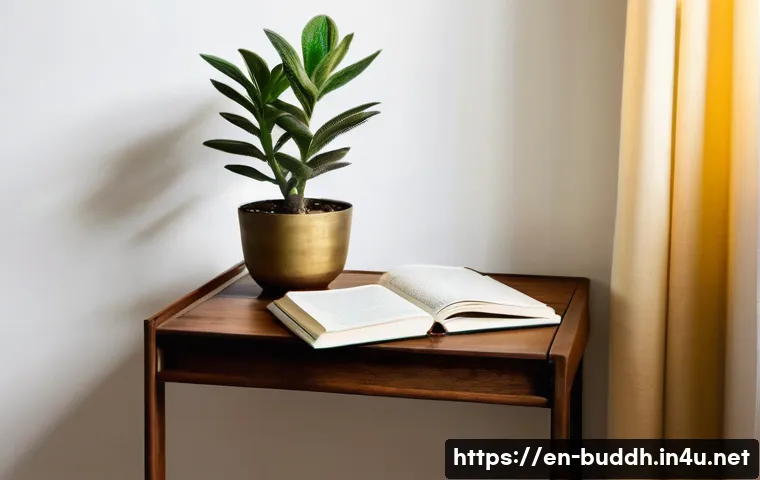
Create one corner or surface in your home dedicated to presence: a chair with a lamp, a small altar of objects that actually mean something to you, or just a clear tabletop. Use this place for short pauses, journaling, or sitting with a cup of tea with real attention. The physical simplicity of the area supports the mental simplicity you want; the fewer competing stimuli, the easier it is to practice returning to the breath. Make this space welcoming, never punitive — it should invite visit, not demand perfection.
Guarding Attention from Digital Tides
Set two non-negotiables for digital life: a morning window without notifications and a nightly cutoff that precedes sleep by at least thirty minutes. Replace one habitual scroll with a five-minute breathing pause or a walk to the sink to wash your face mindfully. These small shifts reduce the constant fragmentation that steals sustained attention. As you practice, notice how your ability to work deeply, listen fully, and enjoy company increases — a direct reward for creating predictable boundaries around attention.
Rhythms That Stay Small
Micro-Practices That Add Up
Instead of promising an hour of meditation you’ll rarely keep, pick micro-practices: one inhalation before each email, two mindful breaths before a meeting, or sixteen steps of walking attention while getting coffee. These are realistic, repeatable, and fit into the actual texture of your life. The humble nature of these moments makes them sustainable; over months they rewrite habit loops. What starts as a single, odd choice becomes a pattern, and those patterns become the scaffolding of a calmer life. They require no special time, only renewed attention to ordinary acts.
Seasonal Simplicity, Not Rigid Rules
Adjust your expectations with the seasons: do less in winter if that’s what your energy allows, and simplify differently in summer when days feel longer and social invitations increase. Simplicity isn’t a one-size-fits-all decree; it’s seasonal responsiveness. Honor shifts in capacity without moralizing them. This compassionate flexibility keeps simplicity alive and humane rather than rigid. You’ll find that the practice of scaling up or down intentionally becomes an exercise in honest self-knowledge.
| Practice | How to Do It | Time | Immediate Benefit |
|---|---|---|---|
| Morning Pause | Three conscious breaths before rising from bed | 30–60 sec | Reduces reactivity; sets tone for the day |
| Single-Surface Declutter | Clear one tabletop or drawer; keep only meaningful items | 15–30 min | Visual calm; easier focus |
| Transition Breath | Pause between tasks for one inhale and exhale | 5–10 sec | Prevents stress carryover; refocuses attention |
| Digital Boundary | No notifications before noon and 30 min before bed | Varies | Better sleep; deeper concentration |
Speech and Hands: Gentle Ethics
Economy of Words, Generosity of Listening
Practice trimming unnecessary speech by asking one quick question before you speak: Is this necessary, true, and kind? This short filter grows into a habit that reduces conflict and preserves relational energy. Pair it with generous listening: when you resist the urge to formulate your reply and simply absorb another’s words, conversations deepen and misunderstandings shrink. Over time you’ll notice social interactions become less about performance and more about presence, freeing up emotional bandwidth for more meaningful exchanges.

Hands That Serve, Not Accumulate
Let physical gestures reflect inner intent: instead of collecting, prioritize acts that unfold care — cooking for someone, mending a favorite garment, or sending a brief note. These are tangible expressions of simplicity that shift focus from acquisition to stewardship. When your hands are trained to repair and to give, possessions lose their compulsive appeal and your life fills with acts that reinforce connection and purpose. Practical skill and simplicity reinforce each other in quietly powerful ways.
Holding Enough
Practices for Contentment in Small Doses
Use gratitude practices that aren’t sentimental: name three functional, everyday things you relied on today (running water, a comfortable chair, a warm mug), and notice the body’s response. This grounds contentment in reality rather than idealization. Another method: set a “one want” rule for a week, where each time you notice a craving you delay action for 24 hours. This builds tolerance for discomfort and teaches that desire often recedes when not immediately fed. Little training sessions like these accumulate into a stable sense of enoughness.
Maintenance Over Perfection
Simplicity asks for maintenance routines you can keep, not grand gestures you burn out on. Choose two practices to maintain for ninety days, then reassess. Maybe weekly laundry becomes a mindful chore, or the weekend inbox purge becomes a quiet ritual. Track small wins, forgive lapses, and treat the practice as an ongoing conversation with yourself. This approach keeps simplicity alive as a lived skill rather than a moral ideal — a flexible, human way of organizing life so attention, kindness, and clarity have room to grow.
글을 마치며
I’ve written these closing words as a small invitation rather than a prescription, because the gentlest changes often come from tiny, repeatable choices you actually keep. In my own days, the two-minute pauses and the single-surface declutters were the ones that quietly shifted my attention from frantic reactivity to steady presence. Start with curiosity, not pressure: notice how one short pause shapes the next hour, and how a small boundary around your phone changes the ease of your evenings. Let your practice be adaptive — if a ritual feels heavy, simplify it; if it feels scarce, add a tiny variation. Over weeks, those micro-practices accumulate into a new temperament: mornings that feel less urgent, transitions that hold you steady, and an attention that knows how to return. Keep it kind, keep it consistent, and let the changes be measured in fewer moments of friction and more moments of clear, intentional living.
알아두면 쓸모 있는 정보
1. Micro-rituals stick when they fit existing habits: attach a one-breath pause to something you already do, like turning off an alarm, to make it automatic and easy to maintain.
2. Make a single, visible cue for digital boundaries: a charging basket by the door or a night jar for phones signals a clear end-of-day routine and reduces the urge to scroll.
3. Reduce decision fatigue with curated defaults: keep one go-to playlist, one preferred tea, or one simple outfit option for specific contexts to preserve willpower for meaningful choices.
4. Track tiny wins, not perfection: note two quick outcomes each evening (e.g., “I paused before email” and “I cleared one surface”) to build momentum without pressure.
5. Scale with the seasons: shorten or soften expectations in winter and allow for more social flexibility in summer — simplicity is a responsive practice, not a rigid set of rules.
중요 사항 정리
Keep two tiny rituals that anchor your day and two non-negotiable digital boundaries to protect attention. Treat transitions as thresholds by inserting brief, embodied pauses between activities so stress from one moment doesn’t leak into the next. Choose one small space in your home for presence — make it inviting and low-stakes so it becomes a refuge rather than a chore. Prioritize maintenance over perfection by committing to just two practices for a ninety-day cycle and tracking gentle progress. When letting go of things, practice a short ritual of gratitude to avoid regret and reduce decision fatigue. Finally, remember that simplicity is seasonal: adjust expectations with compassion and aim for sustainable, cumulative change rather than dramatic overnight overhaul.
Frequently Asked Questions (FAQ) 📖
Q: What does “simplicity” mean in Buddhism and how does it connect to core teachings?
A: Simplicity in Buddhism is about reducing craving and mental clutter so clarity and compassion can arise — a lived expression of Right Intention (renunciation, goodwill, harmlessness) and other limbs of the Eightfold Path rather than forced austerity.
([spiritrock.org](https://www.spiritrock.org/practice-guides/the-noble-eightfold-path?utmsource=openai))
Q: What practical habits can I try today to bring Buddhist simplicity into daily life?
A: Start small: short silent retreats or daylong practice, declutter possessions that fuel craving, create gentle routines (mindful wake-up, one meal without screens), practice honest, restrained speech, and choose work/habits that reduce harm — these shift attention inward and lower stress.
([thedailybuddha.com](https://www.thedailybuddha.com/simplicity/?utmsource=openai))
Q: Does practicing simplicity mean I must give up modern life, relationships, or comforts?
A: No — Buddhist simplicity emphasizes letting go of attachment to outcomes and possessions, not rejecting supportive relationships or responsible modern living; it’s about wise intention and ending craving, not compulsory deprivation.
([en.wikipedia.org](https://en.wikipedia.org/wiki/Nirodha?utmsource=openai))