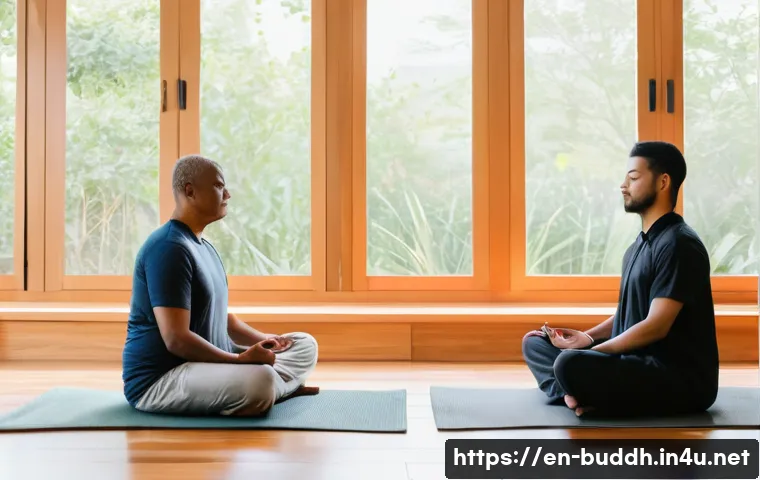
Human limitations have long been a subject of philosophical inquiry, and Buddhism offers a unique lens through which to explore these boundaries. It teaches us about the impermanence of life and the mind’s tendency to cling to desires, which often leads to suffering.

By understanding these constraints, we can begin to cultivate mindfulness and compassion, paving the way toward personal growth and liberation. This ancient wisdom remains profoundly relevant in today’s fast-paced world, where stress and uncertainty challenge our well-being daily.
Let’s dive deeper and uncover how Buddhist teachings illuminate the nature of human limits and how we might transcend them. I’ll guide you through it all with clear insights ahead!
Understanding the Mind’s Grip on Desire
The Nature of Attachment and Its Roots
Attachment is something we all wrestle with, often without realizing how deeply it influences our lives. From my experience, it’s not just about craving material things but also about clinging to ideas, relationships, and even identities.
Buddhism points out that this clinging arises because the mind mistakenly believes permanence exists where there is none. When I first explored this, it was eye-opening to see how many of my frustrations stemmed from wanting things to stay the same, even though everything is constantly changing.
Recognizing this pattern helps loosen the grip and reduce the suffering caused by unmet expectations.
How Desire Fuels Suffering
Desire acts like a double-edged sword—it can motivate us but also trap us in endless cycles of dissatisfaction. I’ve noticed that chasing after desires often leads to a temporary high followed by a drop, creating a rollercoaster of emotions.
Buddhism teaches that suffering arises not simply from pain or loss but from the craving that clings to these experiences. This subtle yet powerful insight reframes suffering as a mental habit rather than an external condition, which means there’s room for change.
Once we see desire for what it truly is, we can start to respond differently, cultivating a more peaceful state of mind.
Practical Steps to Mindful Awareness
Bringing mindfulness into daily life is where theory meets reality. In my own practice, small moments of paying attention to breath or bodily sensations opened up a new way of relating to desires.
Instead of reacting impulsively, mindfulness allows for a pause—a chance to observe cravings without immediately acting on them. This doesn’t mean suppressing desire but understanding its impermanent nature.
Over time, this awareness creates space for compassion toward ourselves and others, reducing the power that desire holds. It’s like training a muscle: the more consistently you practice, the stronger your inner calm becomes.
The Body-Mind Connection and Its Boundaries
Recognizing Physical and Mental Limits
Our bodies and minds are intricately connected, and both have their limits. Personally, I’ve felt the strain when ignoring signs of exhaustion or stress, which only deepened my struggles.
Buddhism encourages acknowledging these boundaries rather than pushing blindly forward. This recognition is not a weakness but an essential step toward balance.
Understanding that our physical health impacts mental clarity—and vice versa—helps us approach life with greater gentleness. It reminds me that honoring these limits is a form of self-respect and an important foundation for any spiritual or personal growth.
The Role of Impermanence in Health and Aging
Impermanence is a cornerstone of Buddhist thought, and nowhere is it more evident than in the aging process. Watching family members age, I’ve come to appreciate how Buddhism frames this natural progression not as loss but as transformation.
Accepting impermanence fosters gratitude for the present moment and encourages us to take care of our bodies and minds without attachment to youth or perfection.
This shift in perspective can ease anxieties about health decline and cultivate a more compassionate relationship with ourselves as we navigate life’s inevitable changes.
Balancing Effort and Acceptance
One of the trickiest lessons I’ve learned is finding the balance between effort and acceptance. Buddhism teaches that while we should make mindful efforts to care for ourselves, we must also accept what we cannot control.
This balance is delicate and requires ongoing adjustment. For example, when facing chronic stress, simply pushing harder often backfires. Instead, integrating mindfulness practices with practical self-care—like rest, nutrition, and seeking support—creates a more sustainable path.
This harmony between action and surrender nurtures resilience and keeps us grounded amid life’s unpredictability.
Breaking Free from the Illusion of Control
Why Control Feels Necessary
In today’s world, control is often seen as essential to success and security. I used to believe that controlling every detail would prevent failure or disappointment.
However, Buddhism points out that this craving for control is itself a source of suffering because reality is inherently uncertain. This insight helped me realize how much energy I wasted trying to micromanage situations beyond my reach.
Letting go of the illusion of control doesn’t mean giving up; it means redirecting effort toward what truly matters and accepting unpredictability with equanimity.
Learning to Embrace Uncertainty
Embracing uncertainty is easier said than done, but it’s a powerful antidote to anxiety. Through meditation and reflection, I began to see uncertainty not as a threat but as a fundamental aspect of life’s flow.
This shift changes the way challenges are approached—less as obstacles to be feared and more as opportunities for growth. Buddhism encourages developing trust in the present moment and in one’s capacity to respond wisely, even when outcomes are unknown.
It’s a gradual process that builds inner strength and flexibility over time.
Tools for Cultivating Surrender
Surrender isn’t about passivity but about conscious acceptance. Practices like mindful breathing, loving-kindness meditation, and journaling have been instrumental in helping me cultivate this attitude.
These tools create a safe mental space where resistance can soften, and acceptance can emerge naturally. For instance, when overwhelmed by circumstances, returning to the breath grounds me and reminds me that control is limited.
This practice fosters peace amidst chaos and allows life to unfold without the constant need to manipulate every detail.
Transforming Suffering through Compassion
The Link Between Personal and Universal Suffering
Buddhism teaches that suffering is a shared human experience, which creates a bridge between ourselves and others. Recognizing this interconnectedness has deeply impacted my perspective.
It’s comforting to know that pain and difficulty are not isolating but part of a common human thread. This awareness opens the door to empathy and reduces feelings of loneliness.
By understanding our shared vulnerability, we become more inclined to extend kindness to ourselves and others, which is a powerful step toward healing.
Practicing Compassion in Daily Life
Compassion is more than a feeling; it’s an active practice that can transform relationships and environments. I’ve found that simple acts—like listening fully without judgment or offering help without expectation—build a foundation of trust and connection.

Buddhism encourages expanding this practice to include difficult people and situations, which challenges our natural tendencies but ultimately strengthens compassion.
This ongoing effort enriches our emotional resilience and creates ripple effects that benefit communities and beyond.
The Healing Power of Self-Compassion
Often, we are our own harshest critics, and Buddhism highlights the importance of turning compassion inward. In my journey, learning to treat myself with the same kindness I offer others was revolutionary.
Self-compassion doesn’t excuse mistakes but acknowledges them without shame, allowing for growth instead of stagnation. This gentle approach reduces self-inflicted suffering and fosters a healthier mindset, making it easier to navigate life’s ups and downs.
It’s a cornerstone of emotional well-being and spiritual liberation.
Mindfulness as a Gateway to Freedom
Developing Present-Moment Awareness
Mindfulness is often talked about, but its depth can be surprising when truly practiced. From my own experience, mindfulness is not just about paying attention but about cultivating a quality of awareness that is open, curious, and nonjudgmental.
This presence allows us to see thoughts and feelings clearly without getting entangled in them. It’s like stepping back and watching the mind’s activity rather than being swept away.
This clarity is a powerful tool for breaking free from habitual reactions and living more authentically.
Integrating Mindfulness into Everyday Life
Bringing mindfulness off the cushion and into daily activities makes a huge difference. I’ve noticed how simple routines—like washing dishes, walking, or eating—become opportunities for practice.
These moments reconnect us with the here and now, grounding us amid distractions and stress. Over time, this integration creates a steady foundation of calm and insight that supports all aspects of life.
It’s a practical way to cultivate freedom from mental clutter and deepen our appreciation for life’s ordinary miracles.
Challenges and Rewards of Consistent Practice
Maintaining mindfulness practice isn’t always easy, and I’ve faced periods of frustration and distraction. Buddhism encourages patience and persistence, reminding us that progress is gradual and non-linear.
Each time I return to practice after a lapse, I notice subtle shifts in how I relate to difficulties and joys alike. The rewards of consistent mindfulness include greater emotional balance, reduced stress, and enhanced clarity.
These benefits ripple outward, improving relationships and overall quality of life.
Applying Wisdom in a Modern Context
Addressing Stress in a Digital Age
Living in a world flooded with information and constant connectivity, stress seems inevitable. Buddhism’s teachings on impermanence and non-attachment offer valuable tools for navigating this overload.
Personally, I’ve found that setting boundaries around technology use and practicing digital mindfulness help reduce overwhelm. Recognizing that not everything demands immediate attention or emotional investment is liberating.
These insights help us reclaim mental space and prioritize well-being amid digital distractions.
Enhancing Emotional Intelligence Through Practice
Buddhist practices naturally cultivate emotional intelligence by fostering self-awareness and empathy. Through meditation and reflection, I’ve become more attuned to my emotional patterns and more skillful in responding rather than reacting.
This shift improves communication and deepens connections with others. Emotional intelligence is increasingly recognized as vital for success and happiness, and Buddhism offers practical methods to develop it in a grounded, holistic way.
Creating a Balanced Lifestyle
Integrating Buddhist principles with modern life encourages a balanced approach that honors body, mind, and spirit. For me, this means combining mindful eating, regular movement, meditation, and community engagement.
Such a holistic lifestyle supports resilience and joy, even in challenging times. Buddhism’s emphasis on moderation and presence provides a blueprint for sustainable living that prioritizes well-being over constant striving or consumption.
| Aspect | Buddhist Insight | Practical Application |
|---|---|---|
| Attachment | Recognizing impermanence and the mind’s tendency to cling | Mindfulness meditation to observe desires without judgment |
| Physical and Mental Limits | Accepting boundaries as natural and necessary | Balancing effort with rest and self-care routines |
| Control | Understanding the illusion of control over life events | Practicing acceptance and focusing on present actions |
| Compassion | Connecting personal suffering to universal experience | Engaging in loving-kindness practices and self-compassion |
| Mindfulness | Developing present-moment awareness to reduce reactivity | Integrating mindfulness in daily activities and formal practice |
| Modern Challenges | Applying ancient wisdom to digital stress and emotional health | Setting boundaries, cultivating emotional intelligence, balanced living |
In Closing
Understanding how our mind interacts with desire and control offers a path to greater peace and balance. Through mindfulness and compassion, we can transform suffering into growth and resilience. Embracing impermanence helps us navigate life’s uncertainties with grace. Ultimately, these insights encourage a more mindful, connected, and fulfilling way of living.
Useful Information to Know
1. Mindfulness practice isn’t about eliminating desire but observing it with curiosity and without judgment to reduce its hold over us.
2. Recognizing and respecting your physical and mental limits is crucial for maintaining long-term well-being and avoiding burnout.
3. Letting go of the need for control frees up energy to focus on what truly matters and fosters emotional resilience.
4. Compassion, especially self-compassion, plays a key role in healing and deepening our relationships with ourselves and others.
5. Integrating mindfulness into everyday activities can help reduce stress and improve overall life satisfaction, even in a busy modern world.
Key Takeaways
Attachment arises from misunderstanding impermanence, and recognizing this helps lessen suffering. Balancing effort with acceptance supports both physical and mental health. The illusion of control often intensifies anxiety, so embracing uncertainty is vital. Compassion extends beyond kindness to others—it includes healing ourselves. Consistent mindfulness practice cultivates present-moment awareness, which is essential for navigating modern challenges with calm and clarity.
Frequently Asked Questions (FAQ) 📖
Q: How does Buddhism explain human limitations and suffering?
A: Buddhism teaches that human limitations stem largely from the mind’s attachment to desires and the illusion of permanence. Because we tend to cling to things—whether it’s people, possessions, or even ideas—we create a gap between reality and our expectations.
This disconnect leads to suffering. By recognizing that everything is impermanent and constantly changing, Buddhism encourages us to let go of these attachments.
This awareness helps reduce suffering by aligning our mindset with the true nature of life rather than resisting it.
Q: In what ways can practicing mindfulness help overcome human limitations?
A: Mindfulness is about being fully present and aware of the moment without judgment. Practicing mindfulness allows us to observe our thoughts, emotions, and reactions objectively.
From my own experience, this creates a space where automatic patterns—like anxiety or craving—lose their grip. Instead of reacting impulsively, we learn to respond thoughtfully.
This shift expands our ability to handle stress, uncertainty, and emotional challenges, effectively pushing past the mental boundaries that often hold us back.
Q: Can Buddhist teachings be applied in modern life to improve well-being?
A: Absolutely. Despite being ancient, Buddhist principles are incredibly relevant today. In a world buzzing with constant distractions and pressure, incorporating practices like meditation and compassion can ground us.
For instance, I’ve found that taking even five minutes a day to meditate helps reset my mind, making me more resilient to daily stress. Moreover, cultivating compassion—both for ourselves and others—fosters healthier relationships and a deeper sense of connection.
These practices don’t require any religious belief, just an openness to exploring the mind and emotions, making them practical tools for anyone seeking personal growth.