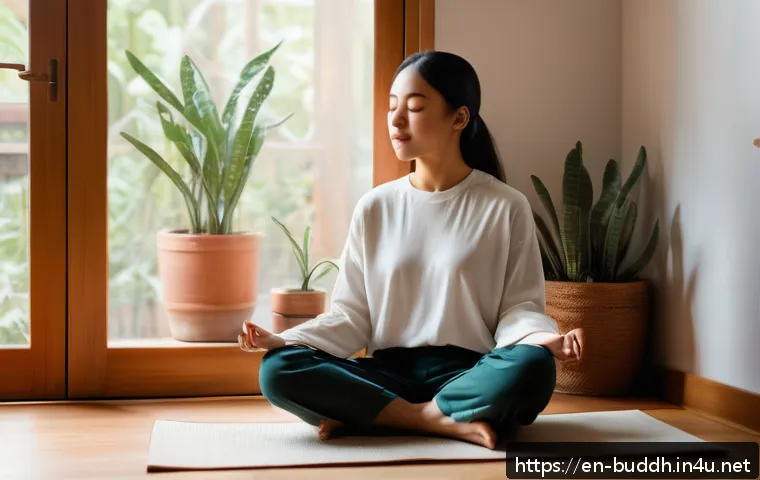
In a world that feels more hectic and uncertain than ever, many of us are searching for deeper, lasting change rather than quick fixes. Buddhist principles offer timeless wisdom that goes beyond surface-level self-improvement, guiding us to nurture inner growth with patience and mindfulness.

Lately, as conversations around mental well-being and conscious living gain momentum, turning to these teachings can provide fresh perspectives on personal transformation.
If you’ve ever wondered how ancient practices remain relevant today, stick around—this journey into Buddhist-inspired growth might just change how you see yourself and your path forward.
Embracing the Power of Present Awareness
Learning to Pause Amid Chaos
In today’s fast-paced world, it’s easy to get swept away by endless to-do lists and constant notifications. What I’ve found invaluable is the simple practice of pausing—really taking a moment to breathe and check in with myself.
This isn’t just about stopping physically but mentally stepping back from the whirlwind. When I started intentionally pausing, even for a few seconds, I noticed a surprising shift: my stress levels dropped, and I became more in tune with what I truly needed in that moment.
It’s like hitting a reset button that allows your mind to catch up with your body, creating space for clarity and calm.
Observing Without Judgment
One of the most transformative lessons I’ve learned is how to observe thoughts and emotions without immediately reacting or labeling them as good or bad.
This non-judgmental awareness creates a mental environment where growth can happen naturally. Instead of spiraling into frustration or anxiety, I began to see my inner experiences as passing clouds—fleeting and changeable.
This shift was liberating because it helped me let go of perfectionism and self-criticism, which are often barriers to meaningful self-improvement.
The Ripple Effect of Mindful Moments
Incorporating mindful awareness into daily activities—whether eating, walking, or listening to a friend—has a ripple effect that extends beyond those moments.
I noticed that when I’m fully present, my relationships deepen, and my decisions feel more grounded. It’s almost like mindfulness sharpens your emotional radar, making you more responsive rather than reactive.
This has allowed me to build resilience against external pressures and maintain a steadier emotional balance throughout the day.
Transforming Habits Through Compassionate Persistence
Replacing Criticism with Kindness
If you’re anything like me, trying to change habits can feel like a battle against yourself. What shifted my approach was embracing kindness over harsh self-judgment.
Instead of berating myself for slipping up, I started treating setbacks as opportunities to learn rather than failures. This compassionate stance made the process feel less daunting and more sustainable.
Gradually, I found myself more motivated to keep going—not out of guilt, but because I genuinely cared about my well-being.
Small Steps, Big Impact
Radical change rarely happens overnight, and I’ve come to appreciate the power of tiny, consistent actions. Whether it’s five minutes of meditation or choosing a healthier snack, these small wins add up over time.
I remember one week when I committed to a daily gratitude practice, just jotting down three things each night. The effect was subtle but profound—my outlook became noticeably more positive, and I felt more grounded in everyday life.
This steady momentum is key to lasting transformation.
Building a Supportive Environment
One thing I didn’t anticipate was how much my environment influenced my progress. Surrounding myself with supportive people and creating physical spaces that encouraged calmness made a huge difference.
For example, setting up a cozy corner for meditation or journaling helped signal to my brain that it was time to slow down and focus inward. Likewise, connecting with like-minded friends provided encouragement and accountability, which kept me motivated during tougher moments.
Understanding the Dance of Impermanence
Accepting Change as a Constant
Embracing impermanence means recognizing that nothing stays the same—not our feelings, circumstances, or even ourselves. This realization can feel unsettling at first, but it’s incredibly freeing once you lean into it.
I’ve learned that resisting change often causes unnecessary suffering, while acceptance opens the door to adaptability and growth. It’s like riding the waves instead of trying to hold onto the shore.
Letting Go to Move Forward
Holding onto past mistakes, regrets, or grudges can weigh heavily on the heart. Practicing non-attachment has helped me release these burdens and make room for new experiences.
This doesn’t mean ignoring important lessons but rather not letting them define or limit me. It’s a gradual process of learning to trust that life’s ebb and flow will bring what’s needed at the right time.
Finding Freedom in Flexibility
When I stopped clinging so tightly to fixed ideas about how life should be, I noticed more ease in my daily existence. Flexibility became a form of strength rather than weakness.
Whether it’s adjusting plans or shifting perspectives, this openness has allowed me to navigate uncertainty with greater confidence and less anxiety.
Deepening Connection Through Authentic Presence
Listening Beyond Words
Authentic connection isn’t just about talking; it’s about truly listening with your whole being. I’ve found that when I focus fully on the person in front of me—without distractions or agendas—the quality of our interaction changes profoundly.
It builds trust and fosters a sense of being seen and understood, which is incredibly nourishing for both parties.
Being Vulnerable and Real
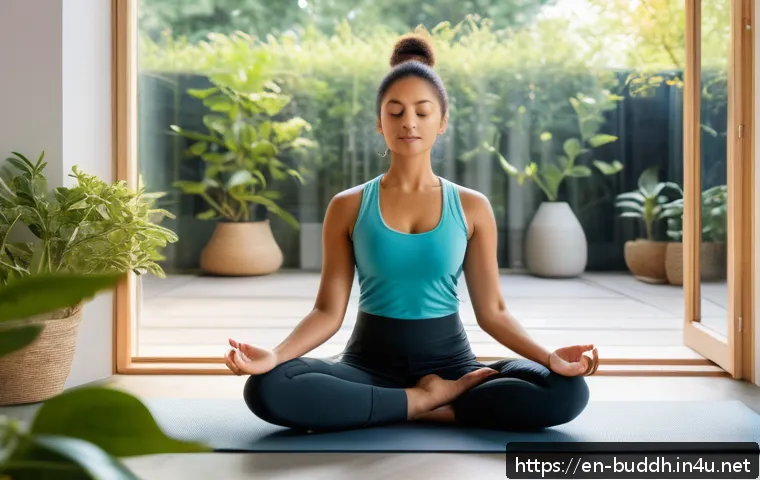
Showing up as your genuine self, flaws and all, can be scary but also incredibly powerful. Vulnerability creates space for deeper relationships because it invites others to do the same.
Over time, I’ve discovered that authenticity breeds intimacy and support, which are essential for personal growth and emotional well-being.
Balancing Compassion and Boundaries
While connection is vital, it’s equally important to maintain healthy boundaries. Compassion doesn’t mean sacrificing your needs or tolerating harm. Learning to say no kindly but firmly has been a crucial skill in my journey, helping me protect my energy while still being present and caring.
Practical Tools for Everyday Transformation
Mindful Breathing Techniques
One of the simplest yet most effective tools I rely on is mindful breathing. Taking slow, intentional breaths helps anchor me in the present and calms racing thoughts.
I often use this before stressful meetings or when feeling overwhelmed. It’s accessible anywhere and instantly shifts my state from reactive to responsive.
Journaling for Reflection
Writing down thoughts and feelings has been a game-changer. It allows me to process emotions, identify patterns, and celebrate progress. Journaling also acts as a mirror, revealing insights that might be missed in the busyness of daily life.
I try to journal regularly, even if just a few sentences, to maintain a steady connection with my inner world.
Movement as Meditation
Incorporating gentle movement—like walking or yoga—into my routine transforms exercise into a meditative practice. This combination grounds me physically and mentally, enhancing both fitness and mindfulness.
Moving with awareness helps me feel more embodied and present throughout the day.
Integrating Wisdom Into Modern Life
Bridging Ancient Teachings and Contemporary Challenges
What strikes me most about Buddhist-inspired principles is their timelessness. Despite originating centuries ago, these teachings resonate deeply with the complexities of modern life—from digital distractions to emotional overload.
By adapting these ideas to today’s context, I’ve found practical ways to cultivate peace and resilience.
Creating Rituals That Anchor Your Day
Establishing small rituals—whether morning meditation, mindful tea drinking, or evening reflection—grounds me amidst uncertainty. These rituals serve as daily reminders to slow down and reconnect with what matters most.
They bring structure and meaning, turning ordinary moments into opportunities for growth.
Sharing the Journey with Others
Lastly, engaging with communities that share similar values enriches the path forward. Whether through online forums, local groups, or casual conversations, connecting with others fosters accountability, inspiration, and a sense of belonging.
Growth feels less isolating and more joyful when shared.
| Practice | Description | Personal Benefit |
|---|---|---|
| Mindful Pausing | Taking intentional moments to stop and breathe during daily activities | Reduces stress, enhances clarity, fosters calmness |
| Non-Judgmental Observation | Watching thoughts and feelings without labeling or reacting | Increases emotional resilience, lessens self-criticism |
| Compassionate Persistence | Approaching habit change with kindness and patience | Boosts motivation, creates sustainable progress |
| Acceptance of Impermanence | Embracing change as a natural and constant part of life | Enhances adaptability, reduces anxiety |
| Authentic Connection | Engaging deeply through listening and vulnerability | Builds trust, strengthens relationships |
| Daily Rituals | Creating consistent practices that anchor mindfulness | Provides structure, encourages ongoing growth |
Closing Thoughts
Embracing mindfulness and compassionate habits has truly transformed my daily experience. By staying present and gentle with myself, I’ve found greater peace and resilience amid life’s challenges. These practices are not just fleeting moments but ongoing invitations to live more fully and authentically. I encourage you to explore these tools and see how they can enrich your own journey.
Helpful Information to Keep in Mind
1. Mindfulness is a skill that improves with consistent practice, so start small and be patient with yourself.
2. Kindness towards yourself fuels motivation far better than harsh criticism ever will.
3. Creating a supportive environment can significantly boost your ability to maintain positive habits.
4. Accepting change as a natural part of life helps reduce anxiety and fosters adaptability.
5. Deep, authentic connections thrive on active listening, vulnerability, and balanced boundaries.
Key Takeaways for Lasting Change
Developing present awareness and compassionate persistence lays a strong foundation for personal growth. Observing your thoughts without judgment opens space for emotional resilience, while small, mindful actions accumulate into meaningful transformation. Remember to embrace impermanence and stay flexible, as these attitudes enable smoother navigation through life’s ups and downs. Finally, nurturing genuine connections and daily rituals supports ongoing well-being and fulfillment.
Frequently Asked Questions (FAQ) 📖
Q: uestions about Buddhist-Inspired Personal GrowthQ1: How can Buddhist principles help me deal with stress and anxiety in my daily life?
A: Buddhist teachings emphasize mindfulness and presence, which means paying full attention to the here and now without judgment. By practicing mindfulness meditation or simply being aware of your breath and sensations, you can create a pause between stimulus and reaction.
This space helps reduce automatic stress responses and anxiety. From my own experience, integrating even five minutes of mindful breathing into a hectic day brought a noticeable calmness and clarity, making challenges feel less overwhelming.
Q: Is adopting Buddhist practices only for those who follow Buddhism as a religion?
A: Not at all. Many Buddhist principles, like compassion, patience, and non-attachment, are universal values that anyone can embrace regardless of religious beliefs.
The beauty of these teachings lies in their practical application to everyday life. You don’t need to convert or adopt rituals; instead, you can simply explore the mindset and tools to enhance your well-being.
I’ve seen friends from various backgrounds find peace and personal growth just by incorporating mindful awareness and kindness into their routines.
Q: How do I maintain patience and long-term commitment when I don’t see immediate results from these practices?
A: That’s a common struggle! Buddhist growth isn’t about quick fixes but gradual transformation. Patience is cultivated by recognizing that change unfolds over time, much like planting a seed and nurturing it daily.
When I started practicing, I reminded myself that progress isn’t always visible day-to-day but builds quietly beneath the surface. Celebrating small moments of awareness or kindness can keep motivation alive.
Over time, those subtle shifts add up to meaningful and lasting change.