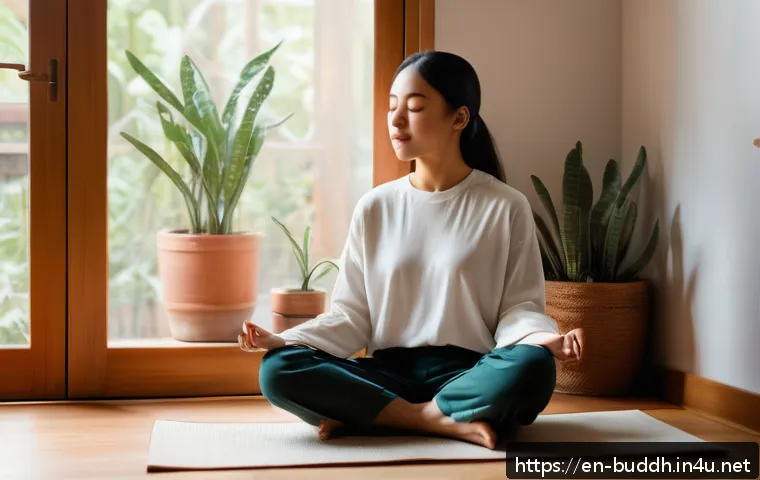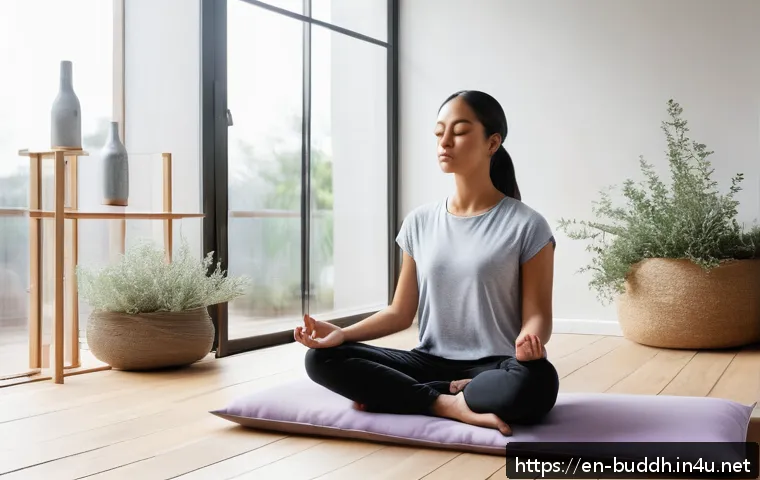
In a world that seems to spin faster every day, finding balance and clarity feels more challenging than ever. Lately, many of us have been searching for meaningful ways to cope with stress, uncertainty, and constant change.
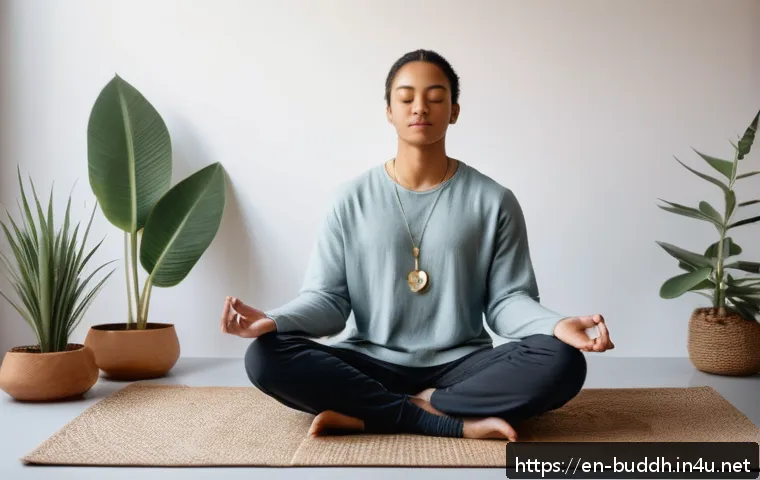
This is where ancient Buddhist wisdom steps in, offering timeless insights that surprisingly resonate with today’s fast-paced lifestyle. Whether you’re navigating work pressures, personal growth, or simply seeking peace, Buddhism provides practical tools that can transform your daily experience.
Join me as we explore how these age-old teachings unlock new perspectives and solutions for modern life’s toughest challenges. You might just discover a fresh path to calm and resilience right when you need it most.
Embracing Stillness Amidst Chaos
The Art of Pausing
Sometimes, the best thing you can do when life feels overwhelming is simply to stop. It sounds counterintuitive, especially when deadlines loom and responsibilities pile up, but taking intentional pauses can reset your entire mindset.
When I started practicing brief moments of stillness during hectic days—just a few deep breaths, a silent minute of awareness—I noticed a surprising shift.
My racing thoughts settled, and I could approach problems with clearer focus. These pauses aren’t about escaping reality; they’re about meeting it with calm presence.
This tiny habit became a lifeline, reminding me that even in the busiest seasons, there’s space to breathe.
Mindful Breathing as an Anchor
Breathing is something we do automatically, yet paying attention to it transforms it into a powerful tool. By focusing on each inhale and exhale, you root yourself in the present moment.
I’ve found that when stress hits, returning to my breath grounds me instantly—no fancy techniques required. This practice, deeply rooted in ancient traditions, has modern benefits backed by science, reducing anxiety and improving mental clarity.
It’s a simple, always-available refuge that anyone can tap into, no matter where they are or what’s happening around them.
Creating Sacred Spaces in Everyday Life
You don’t need a meditation hall or a mountain retreat to find stillness. Turning a corner of your home or office into a small sanctuary can be surprisingly effective.
It might be a cozy chair with a favorite book, a window spot where sunlight streams in, or a tiny altar with meaningful objects. Over time, this space becomes a cue for your mind to slow down and recharge.
For me, lighting a candle or playing soft instrumental music in that corner signals my brain to relax and be present. It’s a subtle, personal ritual that creates pockets of peace throughout the day.
Finding Freedom Through Acceptance
Letting Go of Control
One of the hardest lessons in today’s unpredictable world is realizing how little we truly control. I used to exhaust myself trying to micromanage every detail, only to feel more anxious and stuck.
Buddhist-inspired acceptance teaches that resisting what is only deepens suffering. Instead, acknowledging reality without judgment opens the door to peace.
This doesn’t mean giving up on goals; it means holding them with a lighter grip. When I stopped fighting circumstances beyond my reach, I found energy freed up to focus on what I can change—my attitude, my response, my effort.
Embracing Impermanence
Everything changes. This simple truth is both unsettling and liberating. Recognizing impermanence helped me let go of attachment to outcomes, relationships, and even my own identity.
It’s like watching clouds drift by—no need to hold onto them, just observe and let them pass. This perspective softens the impact of loss and disappointment and encourages living fully in each moment.
It’s not about pessimism but about appreciating life’s fleeting beauty and learning resilience through change.
Transforming Challenges into Growth
Difficulties are often seen as obstacles, but they can also be teachers. When I faced setbacks or conflicts, applying the mindset of acceptance allowed me to explore what lessons were hidden beneath discomfort.
This shift transformed frustration into curiosity and hardship into opportunity. It’s a process of turning pain into wisdom and strength. Over time, I noticed that embracing challenges with openness made me more adaptable and compassionate—both to myself and others.
Building Compassion in a Self-Centered Culture
Starting with Self-Kindness
Compassion often begins inward. In our go-go world, it’s easy to be our harshest critic, especially when juggling multiple roles. I learned that treating myself with kindness—offering grace instead of judgment—created a foundation for extending empathy outward.
This doesn’t mean ignoring mistakes but understanding them with a gentle heart. Practicing self-compassion reduced burnout and increased my overall well-being, making it easier to be present and patient with others.
Listening as an Act of Love
Truly listening is a radical form of compassion. In daily conversations, how often do we listen to respond rather than to understand? Shifting to active, empathetic listening deepened my relationships profoundly.
It requires presence and vulnerability, but the rewards are immense: trust, connection, and mutual respect. Even brief moments of genuine listening can calm tensions and foster healing in both personal and professional settings.
Small Acts, Big Impact
Compassion doesn’t always mean grand gestures. Simple acts—holding a door, offering a smile, sending a thoughtful message—can ripple out in unexpected ways.
I found that when I consciously practiced kindness in small doses, it built a habit that made me more aware of others’ needs and feelings. This ripple effect often circles back, creating a more supportive environment around me.
Compassion becomes not just a value but a daily practice that enriches life.
Harnessing the Power of Focus
Reducing Distractions in a Digital Age
Our attention spans are under constant assault from notifications, social media, and multitasking demands. I realized that reclaiming focus was essential for mental peace.
Setting boundaries—like turning off non-essential alerts and scheduling tech-free times—helped me regain control over my day. This deliberate approach to managing digital distractions boosted my productivity and reduced overwhelm.

It’s not about abandoning technology but using it mindfully to serve rather than dominate.
Deep Work and Flow States
When I carved out uninterrupted blocks of time for focused work, something remarkable happened: I entered a flow state where tasks felt effortless and time slipped away.
This immersive concentration not only increased output but also satisfaction. Flow isn’t just for work; it can happen during creative hobbies or even mindful walks.
Cultivating conditions that support deep focus—quiet spaces, clear goals, and minimizing interruptions—turned out to be a game-changer for both performance and well-being.
Balancing Effort and Rest
Ironically, pushing too hard fragments focus. Learning to balance intense work periods with intentional rest became crucial. Short breaks, mindful stretching, or even a quick meditation reset my brain and prevented burnout.
This rhythm of effort and recovery mimics natural cycles, enhancing sustained attention and energy. I now treat rest as an integral part of productivity, not a luxury or afterthought.
Living with Purpose Beyond Distraction
Clarifying What Matters Most
In the swirl of daily demands, it’s easy to lose sight of what truly matters. Reflecting on my values and priorities brought clarity and direction. Writing down what gives me meaning—whether family, creativity, or helping others—acted as a compass during confusing times.
This clarity helped me say no to distractions and yes to activities aligned with my core purpose, creating a sense of fulfillment beyond fleeting pleasures.
Aligning Actions with Intentions
Purpose isn’t just a thought; it’s lived through choices. I discovered that when my daily actions reflected my deeper intentions, motivation naturally increased.
Even small decisions—like how I spend free time or whom I engage with—became opportunities to embody my values. This alignment fosters authenticity and reduces inner conflict, making life feel more coherent and satisfying.
Sharing Purpose with Community
Purpose deepens when connected to others. Engaging with like-minded people or causes amplified my sense of belonging and impact. Whether volunteering, joining groups, or simply sharing stories, community nourished my purpose and inspired growth.
It reminded me that individual well-being and collective flourishing are intertwined, enriching the journey with shared meaning.
Practical Wisdom for Everyday Resilience
Developing Emotional Agility
Resilience isn’t about avoiding difficult emotions but learning to move through them skillfully. I practiced noticing feelings without immediate reaction, giving myself space to respond thoughtfully rather than impulsively.
This emotional agility helped me navigate stress and setbacks with greater ease. It’s like training a muscle—over time, the capacity to stay balanced amid turbulence grows stronger.
Using Rituals to Anchor Stability
Rituals provide structure and comfort in uncertain times. Simple routines—morning stretches, journaling, or evening reflection—became anchors that stabilized my days.
These rituals create a predictable rhythm that calms the mind and supports emotional health. I found that intentionally designing rituals tailored to my needs built a resilient framework to face whatever came my way.
Building Support Networks
No one thrives in isolation. Cultivating a circle of trusted friends, mentors, or support groups proved invaluable. Sharing challenges and victories created mutual encouragement and practical advice.
When I leaned into these connections, resilience felt less like a solo effort and more like a shared journey. Investing in relationships is one of the most effective ways to sustain strength over time.
| Practice | Benefit | How to Start | Personal Insight |
|---|---|---|---|
| Mindful Breathing | Reduces anxiety, improves focus | Set aside 2 minutes daily to focus on breath | Instant calm during stressful moments |
| Intentional Pauses | Resets mindset, enhances clarity | Take short breaks during work or busy days | Helps prevent overwhelm and burnout |
| Self-Compassion | Increases well-being, reduces self-criticism | Practice kind self-talk after mistakes | Boosts resilience and patience |
| Digital Boundaries | Improves attention, reduces distraction | Turn off non-essential notifications | More productive and less overwhelmed |
| Purpose Clarification | Provides direction, increases motivation | Journal values and priorities weekly | Aligns daily actions with deeper meaning |
Closing Thoughts
Embracing stillness, acceptance, compassion, and focus are essential tools for navigating life’s chaos with grace. These practices are not about perfection but about creating meaningful moments that restore balance and deepen our connection with ourselves and others. By integrating small, intentional habits, we can cultivate resilience and live more purposefully every day.
Helpful Insights
1. Taking brief pauses throughout your day can reset your mindset and improve clarity.
2. Mindful breathing is a simple yet powerful way to reduce anxiety and stay grounded.
3. Creating a personal sacred space at home or work supports mental calm and presence.
4. Setting digital boundaries helps reclaim focus and enhances productivity.
5. Reflecting on your core values regularly guides your actions toward a more fulfilling life.
Key Takeaways
Developing emotional resilience involves accepting what we cannot control and transforming challenges into growth opportunities. Self-compassion is the foundation for extending kindness outward, while focused attention in a distraction-heavy world boosts both performance and well-being. Purpose-driven living aligns daily choices with meaningful goals, enriching our overall experience and sense of belonging.
Frequently Asked Questions (FAQ) 📖
Q: uestionsQ1: How can Buddhist teachings help me manage stress in my busy daily life?
A: Buddhist teachings offer practical methods like mindfulness and meditation that help anchor your attention in the present moment. By practicing mindfulness, you gradually reduce the mental clutter and anxiety caused by future worries or past regrets.
From my own experience, even a few minutes of focused breathing can create a noticeable shift in calmness and clarity, making stressful situations easier to handle.
These techniques aren’t about escaping reality but about engaging with it more skillfully, which ultimately lowers stress and enhances resilience.
Q: Is Buddhism relevant for people who are not religious or spiritual?
A: Absolutely. Many aspects of Buddhism focus on practical wisdom rather than religious dogma. Concepts like compassion, impermanence, and non-attachment can be applied by anyone looking to improve mental well-being and relationships.
In fact, secular mindfulness programs inspired by Buddhist practices have become popular worldwide precisely because they work without requiring religious belief.
I’ve seen friends from all backgrounds benefit from these teachings simply by integrating small habits like mindful pauses or reflective journaling into their routines.
Q: How do I start incorporating Buddhist principles into my life without feeling overwhelmed?
A: The key is to start small and be gentle with yourself. You don’t need to become a monk or overhaul your lifestyle overnight. Begin with simple practices like mindful breathing during daily activities—while waiting in line or during your commute.
Reflect on one core teaching at a time, such as impermanence, and notice how it shifts your perspective on challenges. Personally, I found that gradually building these habits over weeks made the integration feel natural and sustainable, rather than forced or stressful.
The goal is progress, not perfection.