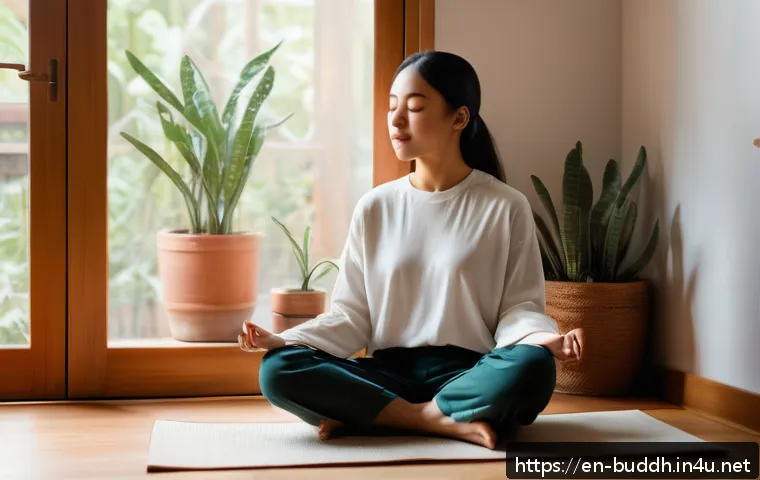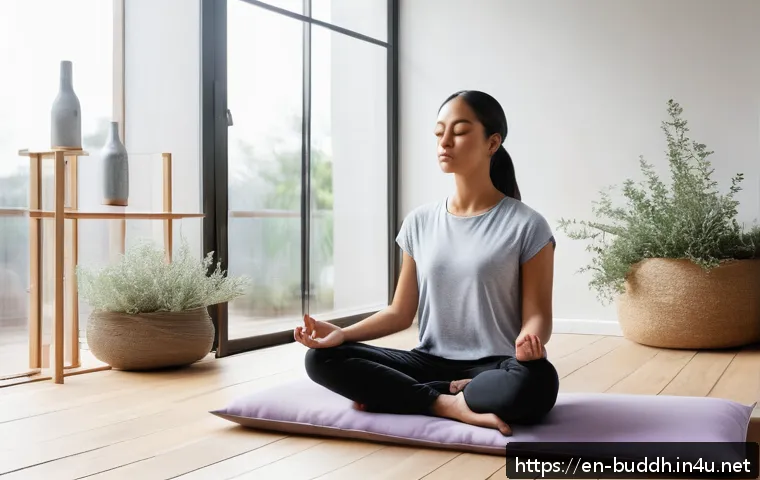
In a world that feels increasingly chaotic and fast-paced, finding moments of calm has become more essential than ever. Recently, mindfulness practices like Vipassana meditation have gained remarkable attention for their profound ability to foster inner peace and clarity.
If you’ve ever felt overwhelmed or disconnected, this ancient technique might just be the key to transforming your daily life. Join me as we explore the basics of Vipassana and uncover how its simple yet powerful approach can bring lasting tranquility and insight.
Whether you’re a complete beginner or curious about deepening your meditation practice, this guide will help you take the first step toward a calmer mind and a more balanced life.
Understanding the Foundations of Mindful Awareness
Observing Without Judgment
The core of mindful awareness lies in simply noticing what is happening around and within us without labeling it as good or bad. When I first started practicing this, it was surprisingly difficult to just observe my thoughts and emotions without immediately reacting or judging them.
Over time, I realized that this non-reactive stance creates a space where the mind can settle naturally. Instead of getting caught up in a storm of worries or distractions, you learn to watch them pass like clouds.
This shift alone can bring a surprising sense of relief and calm that many people desperately seek in their hectic lives.
Breathing as an Anchor
One of the simplest yet most profound techniques to cultivate mindfulness is focusing on the breath. The breath is always with us, steady and reliable, and it serves as a perfect anchor to bring our attention back whenever the mind wanders.
Personally, when I’m overwhelmed, returning to my breath grounds me instantly. It’s not about controlling the breath but gently noticing its natural rhythm.
This gentle return to the present moment is like hitting a reset button, allowing the chaos of everyday thoughts to fade into the background.
Recognizing Impermanence in Every Moment
A powerful insight that emerges through mindful observation is understanding that everything is transient. Emotions, sensations, and thoughts come and go — none of them last forever.
When I really grasped this, it transformed my relationship with difficult feelings. Instead of resisting or fearing discomfort, I started accepting that it’s just a passing experience.
This acceptance softens the mental grip and creates space for genuine peace to arise, even amid life’s inevitable ups and downs.
Practical Ways to Integrate Mindfulness into Daily Life
Starting Small: Mindful Moments
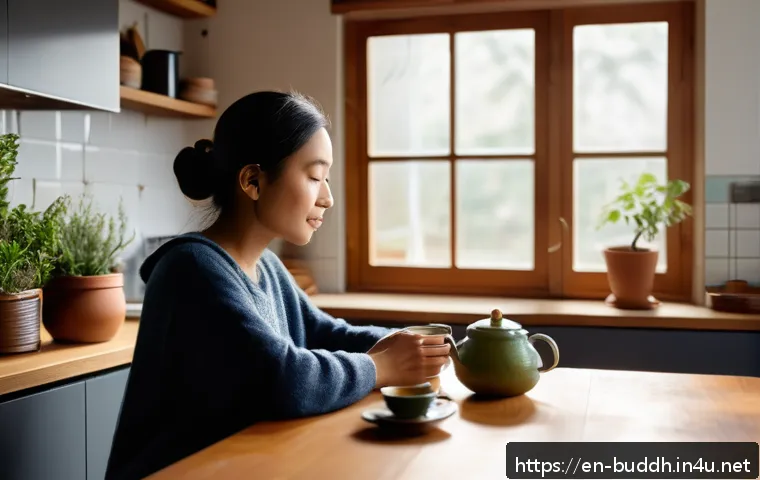
You don’t need to dedicate hours to meditation right away. Even brief pauses throughout the day can cultivate mindfulness. For example, I’ve found that taking just a minute or two to fully feel the sensation of washing my hands or savoring a cup of tea can shift my entire mindset.
These small moments create pockets of calm that ripple through the rest of the day. It’s about quality over quantity—truly experiencing what’s happening rather than rushing through it on autopilot.
Using Mindfulness During Stressful Situations
Stressful moments often trigger reactive behaviors, but mindfulness offers a way to break that cycle. When you notice tension building up, try to pause and breathe deeply instead of immediately reacting.
I remember a time at work when a sudden deadline felt overwhelming, and instead of spiraling into panic, I took a few mindful breaths. This simple action didn’t solve the problem instantly but gave me clarity to approach it more calmly and effectively.
It’s like giving yourself a moment to reset before responding.
Creating a Mindful Environment
The surroundings you create can either support or hinder your mindfulness practice. I’ve found that having a dedicated, clutter-free space for meditation or quiet reflection makes a huge difference.
Even small touches like soft lighting, calming scents, or comfortable seating encourage a more peaceful state. Beyond a physical space, minimizing distractions such as turning off notifications or scheduling tech-free times helps maintain focus.
These intentional choices nurture your practice and make mindfulness feel more natural throughout your day.
Common Challenges and How to Overcome Them
Dealing with a Wandering Mind
One of the most common frustrations beginners face is a mind that refuses to stay still. I’ve been there countless times—thinking about errands, conversations, or worries when I’m supposed to be meditating.
The key is to gently acknowledge these distractions without judgment and guide your attention back to your breath or bodily sensations. It’s not about perfection but persistence.
Each time you return to the present moment, you’re strengthening your mindfulness muscle.
Handling Restlessness and Impatience
Sitting quietly can sometimes stir restlessness or impatience. Early on, I often felt like I wasn’t “doing it right” because my mind was so active. What helped was accepting that these feelings are normal and part of the process.
Instead of fighting them, I learned to observe the restlessness itself with curiosity. Over time, this approach softened the urge to escape and deepened my ability to stay present even when it’s uncomfortable.
Staying Motivated Over Time
Maintaining a consistent mindfulness practice can be tricky when life gets busy or motivation wanes. I found that setting realistic goals, like five minutes a day, and tracking progress helped keep me accountable.
Also, connecting with a community or using guided sessions provided extra support and inspiration. Remember, mindfulness isn’t about achieving a perfect state but about showing up for yourself regularly, no matter how small the effort.
How Mindfulness Benefits Your Mental and Physical Health
Reducing Anxiety and Stress
Mindfulness has been shown to lower stress hormones and reduce anxiety by calming the nervous system. From my own experience, regular practice helped me break free from cycles of worry and rumination.
Instead of feeling overwhelmed, I noticed a greater sense of control and ease. This doesn’t mean stress disappears, but it becomes more manageable, allowing you to respond thoughtfully rather than react impulsively.
Enhancing Focus and Clarity
A mind trained in mindfulness is less prone to distraction and scattered thinking. I’ve found that when I meditate consistently, my concentration improves noticeably, whether at work or in creative pursuits.
The ability to sustain attention helps with problem-solving and decision-making. It’s like clearing the fog so your mental clarity shines through, making daily tasks feel less daunting.
Improving Emotional Regulation
Mindfulness encourages a balanced emotional response by increasing awareness of feelings as they arise. Personally, this has made a huge difference in how I handle difficult emotions like anger or sadness.
Instead of suppressing or over-identifying with them, I observe and let them flow naturally. This leads to healthier emotional habits and deeper self-compassion, which enriches relationships and overall wellbeing.
Comparing Different Mindfulness Techniques
Focused Attention vs. Open Monitoring
Focused attention involves concentrating on a single object, like the breath, which helps stabilize the mind. Open monitoring, on the other hand, means observing all experiences—thoughts, sounds, sensations—without attachment.
Both have unique benefits: focused attention builds concentration, while open monitoring enhances awareness and insight. I usually alternate between these approaches depending on my mood and goals.
Guided Meditation vs. Silent Practice
Guided meditations are fantastic for beginners because they provide structure and encouragement. When I started, listening to a calm voice helped me stay on track.
Silent practice, however, offers deeper immersion and self-discovery once you feel more comfortable. Each style suits different moments; mixing them keeps the practice fresh and adaptable.
Incorporating Movement and Stillness
Mindfulness isn’t limited to sitting still. Practices like mindful walking, yoga, or gentle stretching integrate movement with awareness, connecting body and mind.
I’ve found these active forms especially helpful when sitting meditation feels stiff or frustrating. They offer a dynamic way to cultivate presence and deepen the mind-body connection.
| Technique | Main Focus | Benefits | When to Use |
|---|---|---|---|
| Focused Attention | Single object (breath) | Improves concentration, calms mind | When mind is restless or distracted |
| Open Monitoring | Awareness of all experiences | Enhances insight, emotional balance | For deep reflection and understanding |
| Guided Meditation | Instruction-led practice | Provides structure, good for beginners | When needing support or guidance |
| Silent Practice | Self-directed meditation | Encourages self-discovery, immersion | For advanced practice or quiet time |
| Mindful Movement | Body awareness in motion | Connects body and mind, relieves tension | When sitting is uncomfortable or to energize |
Tips for Deepening Your Mindfulness Journey
Consistency Over Intensity
One lesson I learned early is that short, daily mindfulness sessions are more effective than occasional long ones. Building a habit is about showing up regularly, even if it’s just for five minutes.
This steady commitment gradually rewires the brain and integrates mindfulness into everyday life, making it a natural part of how you respond to challenges.
Embracing Curiosity and Compassion
Approaching your practice with curiosity rather than judgment transforms the experience. When difficult thoughts or emotions arise, treating them like an interesting phenomenon rather than a problem opens the door to deeper understanding.
Alongside curiosity, self-compassion helps soften any frustration or self-criticism, allowing you to be patient and kind with yourself as you grow.
Using Technology Mindfully
While technology can sometimes be a distraction, it also offers tools to support mindfulness. Apps with guided meditations, reminders, or tracking can enhance motivation and structure.
However, it’s important to balance screen time with offline moments of quiet reflection. Finding this harmony ensures technology becomes a helpful aid rather than a hindrance.
Recognizing the Long-Term Impact of Mindfulness
Shifts in Perspective and Priorities
With ongoing practice, mindfulness often leads to profound shifts in how you see yourself and the world. For me, it fostered a greater appreciation for simple moments and reduced attachment to material worries.
Priorities shifted toward wellbeing and meaningful connections rather than external achievements. This realignment brings a sense of purpose and fulfillment that feels deeply satisfying.
Building Resilience to Life’s Challenges
Life inevitably brings ups and downs, but mindfulness builds resilience by strengthening emotional flexibility. Over time, I noticed that stressful situations no longer knocked me off balance as easily.
Instead, I could respond with greater calm and clarity, navigating difficulties with more ease. This resilience is a powerful gift that enhances mental health and quality of life.
Creating a Ripple Effect in Relationships
Mindfulness doesn’t just benefit you; it positively influences those around you. Increased presence and emotional regulation lead to more empathetic and patient interactions.
I’ve seen how practicing mindfulness improved my communication and deepened connections with family and friends. This ripple effect extends beyond personal circles, contributing to a more compassionate community overall.
Closing Thoughts
Mindfulness is a powerful practice that gently transforms how we experience life, offering calm and clarity amid daily chaos. By cultivating awareness with kindness and patience, anyone can develop resilience and deeper connection with themselves and others. Remember, mindfulness is a journey, not a destination—each moment of presence is a meaningful step forward.
Helpful Information to Keep in Mind
1. Start with small, manageable mindfulness exercises to build consistency without feeling overwhelmed.
2. Use your breath as a simple, reliable anchor whenever your mind feels scattered or stressed.
3. Embrace curiosity and self-compassion to stay patient with challenges that arise during practice.
4. Incorporate mindfulness into everyday activities like walking, eating, or even washing your hands to create natural moments of calm.
5. Leverage technology wisely by choosing guided meditation apps that support your routine, but balance screen time with offline mindfulness.
Key Takeaways
Mindfulness invites us to observe our thoughts and emotions without judgment, helping reduce stress and enhance emotional balance. Building a regular practice, even in small increments, strengthens mental focus and resilience. It’s important to accept restlessness and distractions as part of the process rather than obstacles. Creating a supportive environment and using mindful techniques that fit your lifestyle can deepen your experience. Ultimately, mindfulness fosters greater well-being and more meaningful relationships by encouraging presence and compassion in everyday life.
Frequently Asked Questions (FAQ) 📖
Q: uestions about Vipassana MeditationQ1: What exactly is Vipassana meditation, and how is it different from other meditation techniques?
A: Vipassana meditation is an ancient mindfulness practice that focuses on observing sensations and thoughts with complete awareness and without judgment.
Unlike some meditation styles that emphasize relaxation or visualization, Vipassana encourages practitioners to develop insight into the true nature of reality by noticing impermanence, suffering, and the non-self.
This approach helps cultivate clarity and equanimity, allowing you to face life’s challenges with greater calm and understanding.
Q: How long does it typically take to see benefits from practicing Vipassana?
A: While some people notice a sense of calm and increased focus after just a few sessions, the deeper transformative effects of Vipassana usually emerge over consistent practice, often after several weeks or months.
I’ve found that dedicating even 10 to 20 minutes daily can gradually build mindfulness and reduce stress. Attending a structured 10-day Vipassana retreat can accelerate this process, offering immersive experience and guidance that many beginners find invaluable.
Q: Do I need any special equipment or a quiet place to practice Vipassana meditation?
A: One of the beautiful aspects of Vipassana is its simplicity—no special equipment is needed, just your willingness to observe your inner experience honestly.
While a quiet environment helps minimize distractions, you can practice Vipassana almost anywhere. Personally, I started in a small corner of my home and gradually learned to maintain mindfulness even in noisy or hectic settings.
The key is consistency and patience, not perfect conditions.