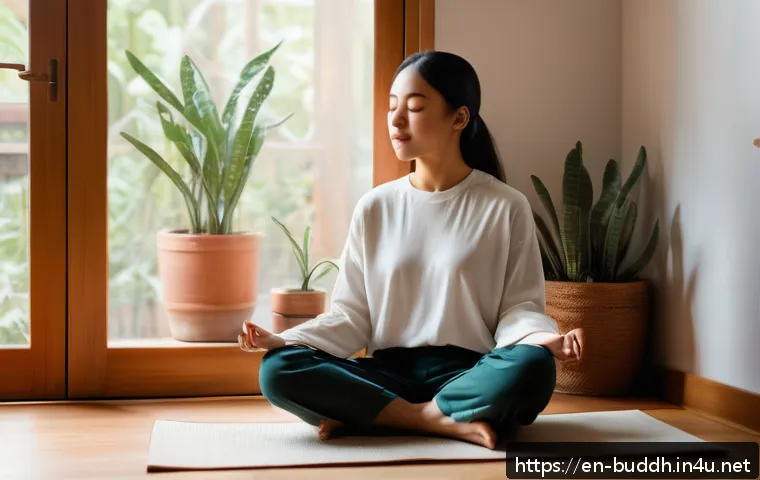
In today’s fast-paced world, finding inner peace can feel like an elusive dream. Buddhism offers timeless wisdom that guides us toward calmness and clarity amid life’s chaos.

Its teachings encourage mindfulness, compassion, and a deeper understanding of the self. Many have found that embracing these principles helps to reduce stress and cultivate lasting tranquility.
If you’re curious about how Buddhist philosophy can transform your mental well-being, stay tuned. Let’s dive into the details and uncover the path to true inner peace together!
Embracing the Present Moment
Understanding Mindfulness Beyond the Buzzword
Mindfulness often gets tossed around as just a trendy concept, but it’s actually a profound practice rooted in ancient traditions. When I first tried to focus on the present moment during my hectic workdays, I realized how much my mind was habitually drifting to worries or regrets.
Mindfulness teaches us to gently bring attention back to what’s happening right now—whether it’s the feeling of your breath, the sounds around you, or the sensations in your body.
This isn’t about emptying the mind or forcing calm; it’s about accepting reality exactly as it is. Over time, this practice builds a mental resilience that helps you respond rather than react to life’s ups and downs.
It’s like training a muscle—the more you practice, the stronger your ability to stay grounded becomes.
Practical Ways to Cultivate Awareness Daily
Integrating mindfulness doesn’t mean you need to sit cross-legged for hours. I found small, intentional moments throughout my day made the biggest difference.
For example, when washing dishes, instead of rushing, I focus on the warmth of the water and the texture of the soap bubbles. On my commute, I observe the rhythm of my steps or the sounds of the city rather than scrolling mindlessly through my phone.
These mini-breaks of awareness anchor me, reducing stress and sharpening clarity. Another tip that worked wonders for me was setting gentle reminders—like a subtle alarm or a sticky note—that prompt me to pause and breathe.
These little nudges help maintain a steady flow of mindfulness throughout the day.
Common Obstacles and How to Overcome Them
At first, I struggled with the frustration of a wandering mind—an irony, given mindfulness is about non-judgmental observation. It felt like I was failing because I couldn’t “clear” my thoughts.
But the real lesson is that noticing distraction is itself mindfulness. Instead of fighting the mind’s natural tendencies, I learned to treat each distraction as a signal to gently bring my focus back.
Another challenge is the misconception that mindfulness requires solitude or hours of practice. Life is busy, and expecting perfection only leads to disappointment.
Embracing imperfection and integrating small moments of mindfulness in daily routines turned out to be the key to sustained progress.
The Power of Compassion in Healing
Why Compassion Starts with Yourself
When I first encountered the idea of compassion in Buddhist thought, I assumed it meant only kindness toward others. But it quickly became clear that self-compassion is the foundation.
We often are our own harshest critics, carrying guilt and self-judgment that chip away at inner peace. Practicing self-compassion means treating yourself with the same kindness you’d offer a close friend during difficult times.
I remember a moment when I was overwhelmed with failure and instead of berating myself, I consciously softened my inner dialogue. That shift was transformative—it didn’t erase the challenges but made them easier to bear.
It’s a practice of recognizing our shared human struggles, which in turn opens the heart to others.
Extending Compassion Beyond Boundaries
Compassion isn’t just a warm feeling; it’s an active engagement with the world’s suffering. One way I’ve applied this is through volunteering and simply listening without judgment.
It might sound simple, but genuine presence can be profoundly healing. Compassion encourages us to see beyond superficial differences and connect on a human level.
It also teaches patience and forgiveness—qualities that defuse conflict and foster harmony. Interestingly, the more I practiced compassion outwardly, the more I noticed a ripple effect on my own mental state, reducing feelings of isolation and bitterness.
Challenges in Maintaining Compassion
Being compassionate consistently is tough, especially when facing people who are difficult or situations that trigger frustration. I used to feel drained or cynical, wondering if my efforts even mattered.
The Buddhist teachings helped me reframe this: compassion isn’t about changing others but about nurturing an open heart regardless of outcomes. It’s okay to set boundaries and care for your own energy too.
Real compassion involves balance—being kind without losing yourself. This balance has been essential in my journey, preventing burnout and sustaining a genuine connection to others.
Decoding the Mind: Understanding Thoughts and Emotions
The Nature of Thoughts and Their Influence
One fascinating insight I gained is that thoughts are transient—they come and go like clouds passing in the sky. Early on, I’d get caught in loops of negative thinking, believing every worry was a fact or a prophecy.
Buddhist philosophy encourages observing thoughts without attachment or identification. Instead of “I am anxious,” shifting to “I notice anxious thoughts” creates a space between you and the mind’s chatter.
This subtle shift can lessen the grip of negative patterns and offer clarity. It’s like stepping back from a noisy crowd and hearing the silence beneath.
Emotional Awareness and Regulation
Emotions are powerful but often misunderstood. I learned that trying to suppress or ignore emotions only intensifies them. Instead, acknowledging feelings fully—whether anger, sadness, or joy—allows them to flow naturally.
This doesn’t mean acting on every impulse but recognizing emotions as signals that can inform wise decisions. A practice I found helpful is labeling emotions as they arise, which creates a mindful pause.
This pause prevents impulsive reactions and fosters emotional intelligence. Over time, this approach made me feel less overwhelmed and more in control.
How Meditation Supports Mental Clarity
Meditation is often seen as the gold standard for mental training in Buddhist practice. I started with just five minutes a day, sitting quietly and focusing on breath.
Initially, it felt challenging—my mind was restless and easily distracted. But with patience, meditation became a refuge where I could observe thoughts and emotions without being swept away.
This regular practice sharpened my concentration and deepened self-awareness. I noticed greater emotional stability and reduced anxiety in daily life.
Meditation isn’t about achieving a blank mind; it’s about cultivating presence and equanimity in the midst of mental noise.
Living with Intention: Aligning Actions and Values
Clarifying What Truly Matters
Life often feels like a whirlwind of distractions, and I found it grounding to step back and reflect on my core values. Buddhist teachings emphasize right intention as a cornerstone of mindful living.
This means aligning your actions with what genuinely supports well-being and growth. For me, this involved questioning habits, relationships, and even career choices.

What brings lasting fulfillment versus temporary pleasure? This reflection isn’t a one-time task but an ongoing journey of conscious choices. It’s empowering to realize that peace grows when your daily life reflects your authentic self.
Practical Steps to Integrate Intention
I began by setting small, clear intentions each morning—simple commitments like “I will listen fully today” or “I will respond with kindness.” These intentions act like a compass, guiding behavior throughout the day.
Journaling helped me track progress and adjust when I drifted off course. Another strategy was mindful decision-making, pausing to ask, “Does this choice align with my values?” This habit reduced impulsivity and increased satisfaction.
Interestingly, intentional living doesn’t mean rigidity but an open, flexible approach that honors both goals and compassion.
Overcoming Challenges in Intentional Living
It’s easy to fall back into autopilot, especially under stress or social pressure. I noticed that without conscious effort, old habits creep in. The key is gentle self-reminder rather than harsh judgment.
Life’s unpredictability means sometimes intentions get sidelined, and that’s okay. What matters is returning to the path with patience and persistence.
Support from community or mentors can also provide encouragement and accountability. Through trial and error, I learned that living intentionally is a dynamic process, not a fixed destination.
The Role of Community and Connection
Finding Support in Shared Practice
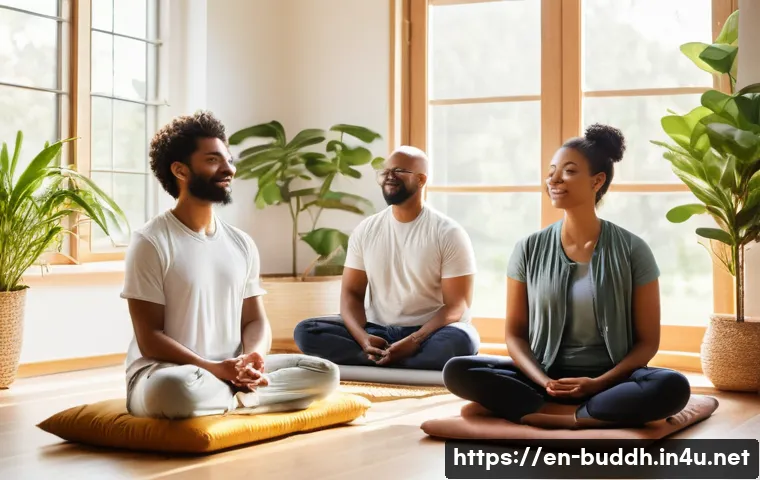
One of the most powerful aspects of Buddhist-inspired practice is the sense of community it fosters. I joined a local meditation group and found that sharing experiences with others enriched my understanding and motivation.
Being part of a group creates a supportive environment where challenges can be voiced and guidance offered. It also breaks the isolation that often accompanies inner work.
The collective energy of a mindful community can uplift and inspire, making the journey less daunting and more joyful.
Balancing Solitude and Social Interaction
While solitude is essential for self-reflection, I learned that human connection is equally vital for mental well-being. Buddhism doesn’t encourage withdrawal from society but mindful engagement with others.
Practicing empathy and active listening deepens relationships and cultivates compassion. I found that balancing alone time with meaningful interactions helped me maintain emotional balance.
Social support acts as a buffer against stress and provides opportunities to practice patience and kindness in real life.
Navigating Differences Within Communities
Every community has diverse perspectives and personalities, which can sometimes lead to friction. I experienced moments of misunderstanding or disagreement within mindfulness groups.
Buddhist teachings helped me approach these situations with openness and humility. Recognizing that everyone is on their own path allowed me to let go of judgment and focus on common ground.
This approach fosters harmony and enriches collective growth. Community isn’t about perfection but about embracing imperfection with compassion.
Integrating Wisdom Into Everyday Life
Mindful Eating and Movement
Applying mindful awareness extends beyond meditation into daily activities like eating and exercise. I started paying attention to the flavors, textures, and smells of my meals, which made eating a more nourishing and joyful experience.
Mindful movement, such as gentle yoga or walking, became a way to connect body and mind, reducing tension and boosting energy. These simple shifts transformed routine actions into opportunities for presence and gratitude, enhancing overall well-being.
Technology and Mindful Boundaries
In today’s digital age, distractions abound. I found it crucial to set mindful boundaries with technology to protect mental space. This included designated “tech-free” times, turning off unnecessary notifications, and using apps that promote focus rather than distraction.
These changes helped me reclaim attention and reduce overwhelm. Mindfulness encourages intentional use of technology—being aware of when it serves you and when it drains you.
Long-Term Benefits Observed
After consistently applying these principles, I noticed profound shifts in my mental and emotional health. Stress levels diminished, sleep improved, and my capacity for joy expanded.
Challenges still arise, but with a grounded mind and open heart, I navigate them with greater ease. The journey is ongoing, but the cumulative effect of mindful living feels like a steady current carrying me toward deeper peace and fulfillment.
| Practice | Description | Benefits | Common Challenges |
|---|---|---|---|
| Mindfulness Meditation | Focused attention on breath or body sensations | Improves concentration, reduces anxiety | Restless mind, impatience |
| Self-Compassion Exercises | Kind self-talk and acceptance | Reduces self-criticism, enhances emotional resilience | Initial discomfort with vulnerability |
| Intentional Living | Aligning actions with values and goals | Increases life satisfaction, reduces impulsivity | Distractions, social pressure |
| Community Engagement | Participation in supportive groups | Provides encouragement, fosters empathy | Diverse opinions, potential conflicts |
| Mindful Technology Use | Setting boundaries with devices | Enhances focus, reduces overwhelm | Habitual checking, social media addiction |
In Conclusion
Embracing mindfulness and compassion transforms everyday life into a meaningful journey. By cultivating present-moment awareness, nurturing self-kindness, and aligning actions with values, we create a foundation for lasting peace. These practices are not about perfection but about steady, gentle progress that enriches our mental and emotional well-being. Staying connected with a supportive community further strengthens this path, making the process both rewarding and sustainable.
Useful Information to Remember
1. Mindfulness is about gently bringing attention back to the present, not forcing the mind to be blank or calm.
2. Small moments of awareness throughout the day can significantly reduce stress and improve clarity.
3. Self-compassion is key—treat yourself with the kindness you would offer a close friend in tough times.
4. Setting clear intentions each day helps align actions with your core values and supports intentional living.
5. Balancing technology use with mindful boundaries protects mental space and enhances focus.
Key Takeaways
Mindfulness and compassion are lifelong practices that require patience and self-acceptance. It’s important to embrace imperfection and integrate small, consistent habits rather than aiming for perfection. Support from community and mindful technology use can boost resilience and maintain balance. Ultimately, living with intention and compassion creates a more fulfilling and peaceful life experience.
Frequently Asked Questions (FAQ) 📖
Q: How can practicing mindfulness in Buddhism help reduce daily stress?
A: Mindfulness in Buddhism involves paying close attention to the present moment without judgment. From my own experience, this practice helps break the cycle of worrying about the past or future, which often fuels stress.
By focusing on what’s happening right now—whether it’s your breath, sensations, or surroundings—you create space to respond calmly rather than react impulsively.
Over time, this shift leads to a noticeable drop in anxiety and a clearer, more peaceful mind.
Q: What role does compassion play in achieving inner peace according to Buddhist teachings?
A: Compassion is central to Buddhist philosophy and acts as a bridge to inner peace. When you cultivate genuine kindness toward yourself and others, it softens feelings of anger, resentment, and isolation.
I’ve noticed that practicing compassion helps me connect more deeply with people, reducing inner turmoil caused by conflict or loneliness. This empathetic approach nurtures a sense of harmony and belonging, which are essential ingredients for lasting tranquility.
Q: Is it necessary to follow all Buddhist rituals to benefit from its teachings on mental well-being?
A: Not at all. One of the beautiful aspects of Buddhist philosophy is its flexibility and focus on practical wisdom rather than strict rituals. You don’t need to adopt every practice or belief to experience its benefits.
Even simple steps like mindful breathing, reflecting on impermanence, or practicing loving-kindness can have a profound impact on your mental health. From what I’ve seen, integrating these teachings gradually into daily life is far more effective than trying to overhaul everything at once.