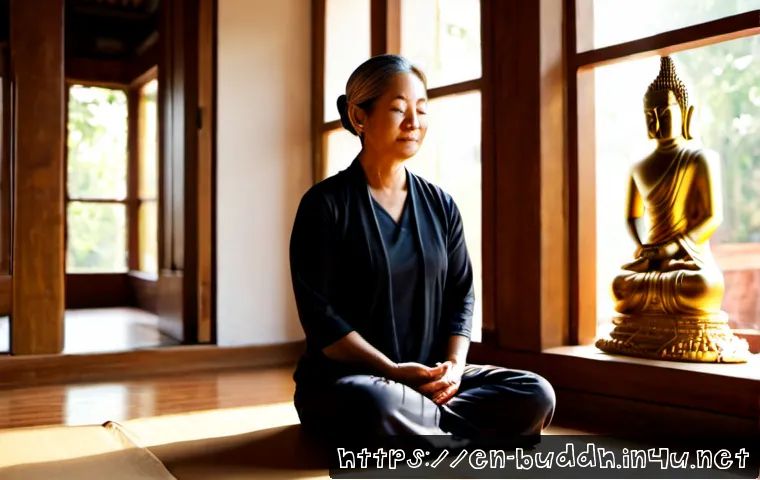
In Buddhism, faith is commonly understood as tested confidence : trust that grows through study, ethical living, meditation, and personal observation.

It is not usually presented as a demand to accept teachings without questions. Different traditions express confidence through different combinations of meditation, devotion, ritual, vows, scriptures, and teacher relationships.
If you are exploring Buddhist books, meditation apps, local groups, online classes, or retreats, it helps to compare the level of guidance and the community’s expectations before committing.
A paid course or retreat may be useful for some learners, but price alone does not establish quality or suitability. The most practical starting point is to choose a format that matches your goal, available time, and comfort with the tradition.
At a Glance
- Buddhist faith often refers to śraddhā or saddhā: confidence, trust, and a trustful aspiration.
- It is generally practiced alongside inquiry, ethical conduct, meditation, and personal observation.
- Books, apps, classes, communities, and retreats can serve different needs; compare their expectations before joining.
| Learning Option | Typical Cost Model | Guidance Level | Best Use Case |
|---|---|---|---|
| Self-study books | Purchase or library access | Low | Readers seeking foundational ideas at their own pace |
| Meditation apps | Free features, subscriptions, or paid content | Low to moderate | People building a regular meditation routine |
| Local Buddhist groups | Free, donation-based, or membership-supported | Moderate | Those looking for practice with a sangha |
| Online courses | Free, donation-based, or paid enrollment | Moderate | Learners who prefer a structured introduction |
| Retreats | Fees, donations, or varying residential arrangements | Moderate to high | People ready for focused practice and clear time commitments |
Faith in Buddhism Is Usually a Form of Tested Confidence
In many Buddhist settings, the words śraddhā in Sanskrit and saddhā in Pali are translated as “faith.” They can also mean confidence, trust, or a trustful aspiration. This matters because the English word “faith” can suggest belief without evidence, while Buddhist practice often connects confidence with examination and experience.
The Difference Between Confidence, Devotion, and Unquestioning Belief
Confidence can mean being willing to explore a teaching seriously because it appears worthy of attention. Devotion may include reverence, chanting, offerings, or other forms of practice, depending on the tradition. Neither term automatically means unquestioning belief. A newcomer should avoid assuming that every Buddhist community uses the same language or expects the same forms of participation.
Why Practice and Direct Observation Matter
Buddhist faith is commonly discussed together with ethical commitments, generosity, meditation, study, and compassion. The Kālāma Sutta is often mentioned when people discuss careful investigation. Still, it should not be simplified into the claim that teachers, communities, or traditions have no value. A balanced approach is to listen carefully, ask reasonable questions, and observe whether a practice supports ethical and compassionate conduct in lived experience.
The Three Jewels as a Foundation for Refuge
Many Buddhist traditions speak of taking refuge in the Three Jewels: the Buddha, the Dharma, and the Sangha. The Buddha refers to the awakened teacher, the Dharma to the teaching and path, and the Sangha to the community. Refuge can be understood differently across lineages, but it commonly provides a framework for trust, learning, and practice rather than a shortcut around personal responsibility.
How Buddhist Traditions Approach Trust and Devotion
There is no single interpretation of faith that represents every Buddhist school. Theravāda, Mahāyāna, and Vajrayāna may share important foundations while placing different practical emphasis on meditation, scriptures, vows, ritual, devotion, and teachers. Comparing traditions is useful, but treating them as identical can create confusion.
Theravāda: Confidence Supported by Ethics and Meditation
In Theravāda contexts, confidence is often closely connected with ethical conduct, meditation, and careful engagement with teachings. A beginner may encounter instruction focused on mindfulness, generosity, precepts, and direct observation. This does not mean that every Theravāda community has the same schedule, teaching style, or level of devotional practice.
Mahāyāna: Compassion, Vows, and Devotion in a Broader Path
Mahāyāna traditions may place particular attention on compassion, vows, and the aspiration to benefit all beings. Devotional forms can be significant in some communities, alongside study and meditation. If you are choosing an introductory class or Buddhist book, look for a clear explanation of whether it is presenting a general overview or a specific Mahāyāna lineage.
Vajrayāna: The Role of Lineage, Teacher Relationship, and Ritual Practice
Vajrayāna traditions may give a prominent role to lineage, teacher relationships, and ritual practice. The role of a teacher can vary substantially by community and level of practice. Before attending a course, retreat, or residential program, ask what level of commitment is expected and whether an event is designed for newcomers.
Comparing Learning Options: Books, Classes, Communities, and Retreats
The right learning format depends less on finding a universally “best” option and more on identifying your current purpose. Someone seeking philosophical understanding may need a different resource from someone who wants daily meditation instruction or an in-person sangha.
What Self-Guided Study Can Provide—and Where It May Fall Short
A well-chosen Buddhist book can offer quiet, flexible study. A meditation app may help make practice more regular. These options can be useful when you want a low-pressure introduction. Their limitation is that they cannot determine whether a teaching style, tradition, or community is personally suitable for you.
Comparing Free Offerings, Donation-Based Groups, and Paid Programs
Free events, donation-based groups, and paid programs can all be offered responsibly. Likewise, none is automatically more credible because of its price. Check whether fees or donation expectations are explained clearly, whether attendance requirements are stated in advance, and whether the program explains what participants will actually do.
Questions to Ask About Teachers, Fees, Accessibility, and Expectations
Before enrolling in an online course or attending a retreat, ask practical questions. Who is teaching? Is the teacher’s background or lineage presented clearly? Are fees, donations, accommodation arrangements, attendance expectations, and religious commitments explained before registration? Is the program accessible for your schedule and level of experience? Clear answers are more useful than impressive promises.
Practice Without Blind Acceptance: Helpful Habits and Common Mistakes
A thoughtful Buddhist practice leaves room for both respect and discernment. You do not need to assume that every custom is universal, and you do not need to dismiss every tradition simply because it includes forms unfamiliar to you.
Test Teachings Through Ethical Impact and Lived Experience

Notice how a teaching relates to ethical conduct, compassion, and everyday behavior. Meditation and study are not only abstract interests; they are commonly connected with how people speak, act, and respond to others. Personal observation is valuable, but it works best when joined with patient learning rather than quick conclusions.
Avoid Confusing Cultural Customs With Universal Requirements
Buddhist traditions developed across many cultures. Rituals, languages, clothing, devotional practices, and community customs can differ. Do not assume that a practice you see in one temple, book, or online class is required in every Buddhist setting. Ask whether it is central to that lineage, optional for visitors, or intended for a particular level of commitment.
Recognize Pressure Tactics, Vague Pricing, or Claims of Guaranteed Spiritual Results
Be cautious if a provider is unclear about costs, donation policies, leadership, or expectations. It is also wise to step back from claims of guaranteed spiritual results. Buddhist learning can involve commitment, but pressure is not a substitute for transparent information and respectful community conduct.
Which Approach May Fit Your Situation?
Your next step can be modest. A short book, a beginner meditation course, or a public session with a local community may be enough to help you learn what you want to explore further.
For Readers Seeking Philosophical Understanding
Start with an introductory Buddhist book that identifies its tradition and explains key terms in context. Look for material that discusses ethics, meditation, compassion, and the Three Jewels rather than presenting Buddhism as a single fixed system.
For People Looking for a Meditation Routine
A meditation app, guided online program, or beginner class may provide structure. Consider whether you prefer short guided sessions, live instruction, or independent practice. The best format is often the one you can approach consistently and thoughtfully.
For Those Considering a Local Sangha, Online Course, or Retreat
A local sangha can offer shared practice and conversation. An online course may fit a busy schedule. A retreat can offer concentrated time away from ordinary routines. Compare the level of guidance, stated commitments, financial arrangements, and the role of teachers before making a decision.
Choosing a Learning Path: Criteria and Comparison Summary
Before joining, donating, or enrolling, compare format, teacher transparency, donation or fee policies, time commitment, and community expectations. Choose a book or meditation app if you want private, flexible exploration. Consider a local group or online class when you would benefit from discussion and structure. Consider a retreat only after reviewing its schedule, residential expectations, and level of religious commitment. For practical details, check the provider’s official information page before registering.
Conclusion
Buddhist faith is often better described as thoughtful confidence than blind acceptance. It can grow through study, ethical action, meditation, community, and reflection. Traditions differ, so there is value in learning what a particular teacher or group actually practices. A careful first step is usually more useful than making a large commitment too quickly.
Useful Things to Know
Start small: attending one introductory session or reading one clearly presented book can be enough for an initial comparison.
Ask directly: communities and course providers should be able to explain their schedule, costs, and expectations.
Keep traditions distinct: meditation, devotion, ritual, and teacher relationships can have different roles across lineages.
Important Notes
No book, app, class, or retreat can determine which Buddhist tradition is personally suitable for you. Course quality, safeguarding standards, teacher qualifications, donation expectations, and residential policies must be verified directly with each provider. The meaning of faith and devotional practice depends on the lineage, culture, and individual community.
Frequently Asked Questions
Q1. Does Buddhism require belief in God?
A1. Buddhist traditions are not generally centered on belief in a creator God in the way some other religious traditions are. However, beliefs and practices can vary by school, culture, and community. It is more accurate to explore the teachings of a specific tradition than to assume every Buddhist group approaches religious questions in the same way.
Q2. Is Buddhist faith blind faith, or can followers question teachings?
A2. Buddhist faith is commonly presented alongside inquiry, ethical conduct, meditation, and personal observation. The Kālāma Sutta is frequently discussed in relation to careful evaluation, although it should not be treated as a rejection of teachers or tradition. Questions can be part of serious learning.
Q3. Are paid Buddhist courses or meditation retreats worth the cost?
A3. That depends on your goals, budget, available time, and the provider’s clarity. A fee does not by itself prove credibility, and free or donation-based offerings are not automatically less valuable. Review the course format, teacher information, donation or fee policy, attendance expectations, and level of commitment before deciding.