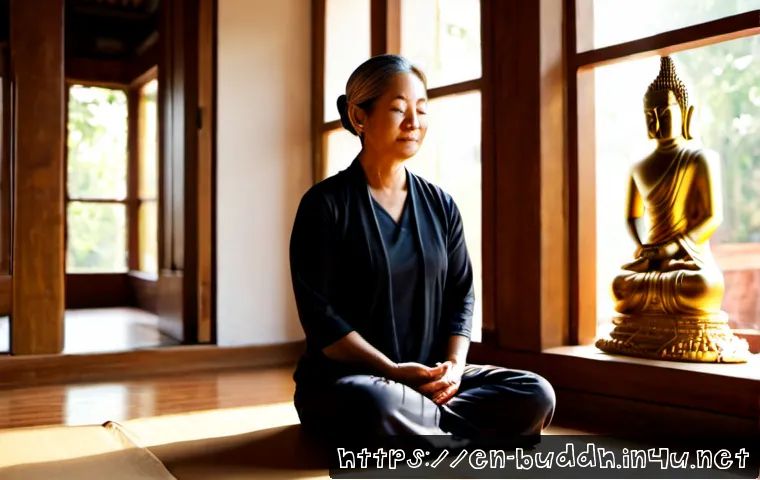
Innovation in Buddhism often means changing how teachings are shared—not necessarily changing core beliefs or ethical principles. Modern options can include digital meditation, live online learning, community service, and accessible local programs.

The best format depends on your schedule, preferred level of guidance, community needs, and comfort with costs or commitments. A meditation app may suit a quiet introduction, while a teacher-led course can provide structure and opportunities to ask questions.
Retreats and long-term communities may offer deeper immersion, but they also require careful review of fees, expectations, and teacher transparency. No single modern program represents every Buddhist tradition, so comparison matters.
At a Glance
- Innovation in Buddhism can involve teaching format, community service, accessibility, and technology rather than replacing core beliefs.
- Modern learning options include meditation apps, online classes, local sanghas, and residential retreats, each with different levels of guidance and commitment.
- Before joining or paying, compare teacher transparency, total cost, community standards, and program expectations.
| Learning Option | Time Commitment | Guidance and Community | Cost Structure to Check | Verification Needs |
|---|---|---|---|---|
| Self-guided meditation app | Flexible and self-paced | Usually limited direct feedback | Check subscription terms or optional paid features | Review teaching sources, privacy practices, and claims |
| Live online class | Scheduled sessions | May include teacher contact and group discussion | Check course fees, access period, and cancellation terms | Check teacher background and course format |
| Local sangha or temple group | Regular meetings may be expected | In-person community and shared practice | Ask about donations, membership expectations, or event costs | Observe community culture and safeguarding practices |
| Residential retreat | Dedicated time away from normal routines | Structured teaching and immersion | May range from donation-based events to paid programs with accommodation and teaching costs | Confirm total fees, rules, teacher information, and support arrangements |
What Innovation Means in a Buddhist Context
Adapting teaching methods without assuming every tradition changes in the same way
Buddhist traditions have developed differently across regions, including Theravada, Mahayana, and Vajrayana lineages. For that reason, “modern Buddhism” is not one uniform approach. A temple offering streamed teachings, a local group using a hybrid meeting format, and a university meditation program may all look innovative, yet they may relate to Buddhist tradition in very different ways.
In Mahayana contexts, the idea often translated as skillful means is especially associated with adapting teaching approaches to the needs of different people. That does not mean every new format is automatically appropriate or accepted by every community. It means that the method of teaching can be considered separately from a careless assumption that the underlying ethical framework has disappeared.
Core ethical questions: compassion, non-harm, and practical benefit
A useful starting point is to ask whether a new approach remains consistent with commonly emphasized Buddhist values: non-harm, compassion, mindfulness, and awareness of consequences. Does the format encourage careful practice? Does it treat participants respectfully? Are its claims proportionate to what it can actually offer?
Technology can make instruction easier to access, but polished presentation alone does not establish credibility. A program can be convenient and still require careful scrutiny of its teacher, community expectations, and financial terms.
A short guide for choosing a modern practice format
- Choose an app or introductory online resource if you want a flexible, low-commitment starting point.
- Choose live instruction if you value questions, regular practice, and clearer structure.
- Choose a local group or retreat only after reviewing the community, the teacher, and the full expectations.
Comparing Modern Buddhist Learning Options and Their Value
Meditation apps, online classes, local sanghas, and residential retreats
Meditation apps can make basic practice available when time, mobility, or distance makes in-person learning difficult. They can be useful for building a routine, but they may not provide personal guidance or a shared community.
Online Buddhist courses may offer a clearer sequence of teachings and scheduled sessions. Some learners prefer the ability to ask questions in a live class, while others prefer recorded lessons that fit an unpredictable schedule. Check whether the course is primarily meditation instruction, Buddhist study, or a broader wellness-oriented program.
A local sangha may offer regular contact with other practitioners and an opportunity to see how a community functions over time. A residential retreat can provide concentrated practice and teaching, but it is sensible to examine accommodation costs, teaching costs, cancellation conditions, and daily expectations before committing.
When paid instruction may offer more value than self-guided study
Paid instruction is not automatically better, and free resources are not automatically less meaningful. A paid meditation course or retreat may be worth considering when its value is clear: structured teaching, transparent teacher information, opportunities for questions, or practical support for participation.
Before paying, look beyond promotional language. Ask what is included, whether there are additional charges, how long access lasts, and what level of guidance is actually provided. Clear terms are more useful than vague promises of transformation.
Innovative Practices: Digital Access, Social Engagement, and Inclusive Communities
Online teachings and hybrid meditation groups
Digital platforms allow teachings and meditation sessions to reach people who may not live near a temple, retreat center, or local Buddhist group. Hybrid communities can also combine online access with occasional in-person gatherings. This can widen participation, but it may change how personal guidance and community accountability are experienced.
If privacy matters to you, review how a platform handles registration, recordings, group discussion, and personal information. A convenient digital meditation program should still make its participation rules understandable.
Engaged Buddhism and service-oriented practice
Engaged Buddhism applies Buddhist ethical and contemplative principles to social, environmental, and community concerns. Rather than treating meditation as separate from daily life, this approach may connect reflection with compassionate action and awareness of consequences.
Not every Buddhist group emphasizes social engagement in the same way. Still, readers interested in service-oriented practice can ask how a community understands compassion, non-harm, and responsibility beyond individual meditation sessions.
Accessibility for limited time, mobility, or local resources
Innovation can be as simple as making teachings easier to reach. Short online sessions, recorded study materials, and flexible meditation schedules may help people with limited time or mobility. For some learners, a local group remains important; for others, remote access may be the most realistic first step.
Accessibility does not remove the need for discernment. A format that is easy to join should also be clear about its teacher, purpose, costs, and expectations.
How to Avoid Common Mistakes When Exploring New Approaches

Do not confuse polished marketing with teacher credibility
Professional design, persuasive testimonials, or spiritual language do not by themselves show that a teacher or program is trustworthy. Teacher qualifications, lineage expectations, and practice formats vary substantially among Buddhist communities. Look for straightforward information about who teaches, what tradition or approach informs the teaching, and what participants can reasonably expect.
Check fees, cancellation terms, community expectations, and safeguarding policies
Before registering for a retreat, membership, or teacher-led course, confirm the total cost. For residential programs, this may include accommodation and teaching costs. Also check cancellation terms, participation rules, and whether the community provides clear standards for respectful conduct and safeguarding.
If information is difficult to obtain before payment, treat that as a reason to pause and ask more questions.
Watch for absolute promises, coercive language, or isolation from outside support
Be cautious when a program makes absolute promises about enlightenment, personal outcomes, or spiritual status. Meditation practice does not guarantee the same result for every person. It is also reasonable to step back from pressure-based recruitment, demands for secrecy, or messaging that discourages contact with outside support.
Which Approach Fits Your Situation?
For beginners seeking a low-commitment introduction
Start with a modest format: a basic meditation app, an introductory digital lesson, or an open local session. Focus on whether the instruction is understandable and whether the program avoids exaggerated claims. You do not need to make a long-term commitment to begin learning.
For readers who want structured study and regular feedback
A live online class, teacher-led Buddhist study program, or regular local group may be a better fit. Look for a clear schedule, a stated teaching approach, and a realistic explanation of how questions or feedback are handled. Compare course format and teacher transparency before deciding.
For people considering an in-person retreat or long-term community
Take additional time to review the practical details. Visit or attend an introductory event when possible, ask about the daily format, and understand the full financial commitment. A retreat or community may be meaningful for some people, but its safety, quality, and spiritual suitability must be evaluated individually.
Choosing a Buddhist Learning Path: Criteria and Comparison Summary
Compare format, teacher transparency, schedule, total cost, community expectations, and privacy before choosing a meditation app, course, retreat, or membership. Match the option to your actual availability rather than an idealized plan. Ask what is included, who leads the program, how fees work, and whether you can understand the terms before joining. For an in-person option, review community standards and safeguarding information. Check the official program page for full conditions, fees, and participation details before paying.
Closing Thoughts
Modern Buddhist practice can take many forms, from digital meditation instruction to local community practice and service-oriented programs. Innovation is most useful when it improves access or learning without ignoring ethical responsibility. There is no need to assume that one format suits every person or every Buddhist lineage. A careful, gradual approach gives you room to learn while keeping your choices informed.
Useful Things to Know
1. Buddhist traditions differ, so one teacher or program cannot represent all Buddhist practice.
2. Donation-based and paid retreat formats both exist; confirm the full cost structure in advance.
3. A digital format may improve access, but it does not replace the need to check teaching quality and boundaries.
4. Engaged Buddhism connects contemplative practice with social, environmental, and community concerns.
Important Considerations
No specific app, course, retreat, teacher, or community can be assumed to be safe, high-quality, affordable, or spiritually suitable for every person. Individual outcomes from meditation and Buddhist study vary. Confirm program details directly, including teacher background, fees, cancellation terms, privacy practices, and community expectations.
Frequently Asked Questions
Q1. Are modern Buddhist meditation apps a good substitute for learning with a teacher?
A1. An app may be a useful introduction or support for a personal routine, especially when flexible access matters. It may not provide the direct guidance, questions, or community connection available through a teacher-led course or local group. Whether it is sufficient depends on your goals and the kind of support you want.
Q2. How can I compare the cost and value of a Buddhist retreat or online course?
A2. Compare the full cost, what is included, the teaching format, teacher transparency, schedule, cancellation terms, and level of support. Residential retreats may involve accommodation and teaching costs, while other programs may use different arrangements. Value is clearer when the terms are specific and easy to verify.
Q3. What are signs that a Buddhist teacher or spiritual program may not be trustworthy?
A3. Use caution around absolute promises, unclear fees, pressure to join quickly, coercive language, secrecy, or attempts to isolate participants from outside support. It is also reasonable to ask for clear information about the teacher, the program’s approach, community expectations, and safeguarding practices.