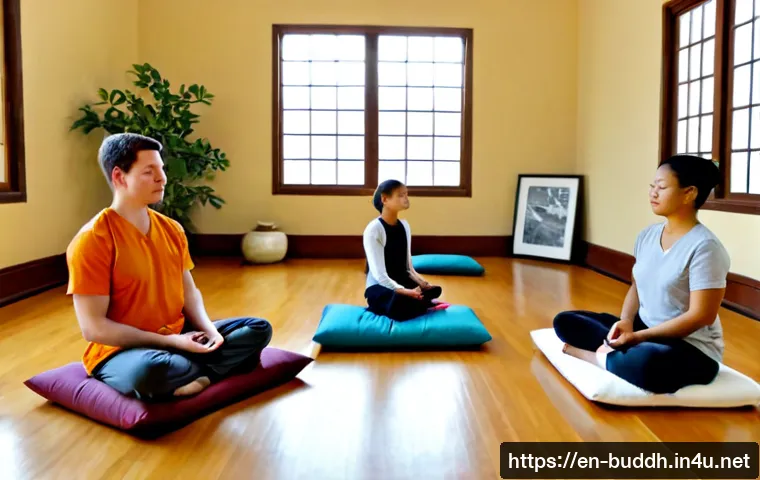
Buddhist-inspired lessons can be practical tools for daily life: pause before reacting, meet change with less resistance, and act with compassion and clear intention.

They are not promises of constant calm, but they can offer a thoughtful way to approach stress, relationships, work, and personal choices. The most useful starting points are mindful attention, compassion, acceptance of change, and intentional action.
You do not need to make a religious commitment to reflect on these ideas, although Buddhist traditions, teachers, and communities differ in meaningful ways.
A beginner book, guided meditation app, local class, or retreat can each support learning, depending on your available time, budget, and preference for guidance.
The goal is not to become detached from life. It is to see experience more clearly and respond with greater care.
At a Glance
- Mindful attention creates a small pause between an event and your reaction.
- Compassion and ethical action encourage care for yourself and others without pretending difficult feelings do not exist.
- Acceptance of change can support flexible decisions without becoming passive or indifferent.
| Learning Option | Best For | Typical Commitment | Cost Considerations | What to Compare |
|---|---|---|---|---|
| Introductory books | Independent readers who want context and time to reflect | Flexible, self-paced | Usually a one-time purchase or library option | Author background, tradition, clarity, practical exercises |
| Guided meditation apps | People who prefer reminders, audio guidance, and a routine | Short, repeatable sessions | May include free content, subscriptions, or paid programs | Teaching style, trial terms, privacy settings, cancellation details |
| Local classes or groups | People who value discussion and community learning | Regular meeting times | May be donation-based or require a fee | Teacher experience, group culture, accessibility, expectations |
| Retreat programs | People seeking focused practice away from routine | Higher commitment and scheduled time away | Consider tuition, travel, accommodation, and refund policies | Schedule, support, physical setting, rules, and total costs |
The Core Lessons That Translate to Daily Life
Buddhist wisdom is often most useful when it is treated as a practice of noticing and choosing, not as a set of slogans. The point is not to force yourself to feel positive. It is to observe what is happening, consider what may cause harm, and take the next reasonable step with care.
Notice experience before reacting
A stressful email, a sharp comment, or an unexpected bill can create an immediate urge to react. Mindful attention means noticing the body, emotions, and thoughts before sending the message, making the purchase, or escalating the disagreement. Even a brief pause may reveal that urgency is not the same as necessity.
Try asking: “What am I feeling, and what response would I still respect tomorrow?” This is not a demand to suppress emotion. Anger, disappointment, and fear may still be present. The practice is to avoid letting the first wave of emotion make every decision.
Accept change without becoming passive
Change is part of ordinary life: plans shift, roles end, health and energy vary, and relationships evolve. Accepting change does not mean approving of every loss or unfair situation. It means recognizing reality as it is before deciding how to respond.
For example, if a workplace plan changes, acceptance may begin with acknowledging the new situation rather than repeatedly arguing with the fact that it happened. From there, you can ask what needs clarification, what support is available, and which action is within your control.
Practice compassion toward yourself and others
Compassion is not weakness or endless agreement. It can include listening carefully, setting a boundary, admitting a mistake, or declining to speak cruelly when conflict feels tempting. It also applies inwardly. Self-criticism may feel motivating in the moment, but it can make learning from mistakes harder.
In a difficult relationship, consider two questions: “What might this person be carrying?” and “What do I need in order to remain safe and respectful?” Compassion works best with discernment. It does not require staying in harmful situations or ignoring serious concerns.
Focus on intentions as well as outcomes
Outcomes matter, but they are not always fully controllable. A thoughtful effort may not produce the result you hoped for. Looking at intention helps you review whether your action was honest, careful, and aligned with your values.
Before a major choice, such as changing jobs or making a large purchase, ask: “Am I acting from clarity, fear, status pressure, generosity, or habit?” The answer may not be simple, but the question can make the decision more deliberate.
Key Ideas Compared: Mindfulness, Non-Attachment, Compassion, and Ethical Action
These ideas overlap, but they are not interchangeable. Knowing the difference can prevent a vague approach to “mindful living” that sounds appealing yet offers little help in a real situation.
What each idea means in plain language
Mindfulness is paying attention to present experience with less automatic judgment. Non-attachment is loosening the grip of clinging to outcomes, possessions, roles, or fixed expectations. Compassion is responding to suffering with care. Ethical action is considering how choices affect yourself and other people.
In plain terms, mindfulness helps you see the moment, non-attachment helps you avoid being ruled by it, compassion shapes your attitude, and ethical action guides what you do next.
When each principle is most useful
Use mindfulness when your thoughts are racing or a conversation is becoming heated. Consider non-attachment when you are replaying an outcome you cannot change. Bring in compassion when shame, resentment, or blame dominates. Use ethical action when convenience conflicts with honesty, fairness, or care.
A single situation may need all four. After receiving criticism at work, you might notice your defensiveness, release the need to appear flawless, respond with basic respect, and ask for specific feedback.
Misunderstandings to avoid in modern self-help culture
Mindfulness is not simply “staying positive.” Non-attachment is not emotional distance. Compassion is not people-pleasing. Ethical action is not perfectionism. These principles invite reflection, but they do not eliminate grief, conflict, or uncertainty.
Be cautious with programs that present spiritual practice as a guaranteed route to success, permanent calm, or effortless productivity. A useful resource should leave room for complexity, personal limits, and respectful questions.
Applying These Principles at Work, at Home, and During Stress
Small, repeatable actions usually fit daily life better than grand promises. Choose one situation you face often and use it as a place to practice.
Pausing before difficult conversations
Before a hard conversation, notice what story you are telling yourself about the other person. You may be correct about some facts, but assumptions can multiply quickly. Take a breath, name the issue clearly, and focus on what you need to understand or communicate.
A practical prompt is: “Can I describe the problem without attacking the person?” If the discussion feels unsafe, overwhelming, or beyond your ability to manage, pause and seek appropriate support.
Responding to pressure without chasing perfection
Work pressure often creates a narrow focus on results, reputation, and speed. Intentional action can widen the view. Identify the next task, the realistic standard, and the point at which more effort no longer adds meaningful value.
This does not mean lowering standards. It means distinguishing responsible work from endless self-punishment. If stress is persistent or seriously affects daily functioning, meditation and reflection should not replace mental-health or medical support.
Making more intentional spending and lifestyle decisions
Consumption choices can be a useful place to explore attachment and intention. Before buying, upgrading, or committing to a subscription, pause and ask whether the choice serves a real need, a temporary mood, or social pressure.

You do not need to reject comfort or enjoyment. The question is whether a purchase supports the life you want to build. Consider the full commitment, including ongoing fees, time demands, and the tendency to buy more than you planned.
Learning Options: Books, Apps, Local Groups, and Retreats
The best learning format is usually the one you can approach consistently and thoughtfully. A resource does not need to be expensive or intense to be worthwhile.
Self-guided learning for independent readers
An introductory book can offer vocabulary, historical context, and room to move at your own pace. Look for a book that identifies its perspective rather than presenting one interpretation as the only Buddhist view. If possible, compare the table of contents, sample pages, and the author’s stated approach before purchasing.
Self-guided study suits readers who enjoy taking notes, revisiting ideas, and testing a short reflection practice in ordinary life.
Guided practice for people who need routine and accountability
A meditation app or local class may be useful if a scheduled practice is easier to maintain than reading alone. Apps can provide guided sessions and reminders. Local groups may offer questions, discussion, and a sense of shared learning.
Before choosing an app subscription or paid class, review the teaching style and practical terms. Look at the level of guidance, privacy choices, billing structure, accessibility, and whether the pace feels appropriate for a beginner.
Questions to ask before paying for a course or retreat
Ask who leads the program, what tradition or approach informs the teaching, and what a typical day involves. Review the total cost rather than only the advertised program fee. For a retreat, also consider travel, lodging, meals, physical accessibility, cancellation terms, and how much silence or structured practice is expected.
A trustworthy learning environment should make its expectations understandable. It should not pressure you to make financial, personal, or spiritual commitments beyond what you are ready to consider.
Practical Cautions and Common Mistakes
Buddhist-inspired reflection can be meaningful, but it should be approached with humility. Traditions differ, and personal practice does not remove the need for practical help in serious situations.
Non-attachment is not avoidance or lack of care
Letting go does not mean walking away from responsibilities, grief, or people who need a direct answer. It means reducing compulsive grasping, not reducing concern. You can care deeply about an outcome while recognizing that control has limits.
Mindfulness is not a guarantee of calm
Paying attention may reveal uncomfortable feelings before it feels calming. That does not mean you are doing it wrong. Keep practices brief and manageable, and stop treating discomfort as a personal failure. Seek qualified support when distress feels severe, persistent, or unsafe.
Respect cultural and religious context when adapting practices
It is reasonable to explore Buddhist-inspired ideas for personal reflection. It is also important not to flatten living religious traditions into productivity tools or social-media slogans. Learn from sources that acknowledge context, differences among traditions, and the limits of simplified advice.
Selection Criteria and Comparison Summary
Choose based on your goal, available time, budget, preferred learning style, and desired level of guidance. A book may fit a private, flexible routine. A meditation app may fit someone who benefits from audio guidance. A local group may help if conversation and accountability matter. A retreat may suit a person ready for a more focused commitment.
Before selecting a resource, check these points: the teacher or author’s background; the stated tradition or approach; the total cost and recurring charges; the expected time commitment; privacy and cancellation terms; and whether the format feels respectful and realistic for your current needs.
Choose a format that matches your available time, budget, and preferred level of guidance. For paid courses, apps, or retreat programs, review the official details and conditions on the relevant page before committing.
Closing Thoughts
Buddhist wisdom for everyday life does not require perfect composure or a dramatic change in identity. It can begin with one honest pause before reacting, one kinder response, or one decision made with more awareness. The value is in returning to the practice when life becomes messy. Over time, these small moments may help you relate to stress, change, and relationships with greater steadiness.
Useful Things to Know
1. Start with a short practice instead of an ambitious routine.
2. Compare books, meditation apps, local groups, and retreats by fit rather than popularity.
3. Keep notes on what helps you become more attentive and considerate in ordinary situations.
4. Treat paid spiritual or wellness resources like any other purchase: read terms, costs, and expectations carefully.
Important Notes
Buddhist teachings vary across traditions, teachers, communities, and cultural settings. This article offers general reflection, not a complete account of any tradition. Meditation, retreats, books, and spiritual practices cannot guarantee personal outcomes, and they are not replacements for mental-health, medical, legal, or financial support when those forms of help are needed.
Frequently Asked Questions
Q1. What are the most practical Buddhist-inspired lessons for everyday stress?
A1. Begin with mindful attention, compassion, acceptance of change, and intentional action. In practice, this can mean pausing before reacting, noticing what you are feeling, avoiding harsh self-judgment, and choosing one responsible next step rather than trying to control everything at once.
Q2. Is a meditation app, beginner book, local class, or retreat better for learning Buddhist principles?
A2. No single format is best for everyone. A beginner book may suit independent readers, a meditation app may support a regular routine, a local class may offer discussion, and a retreat may provide focused time. Choose a format that matches your available time, budget, and preferred level of guidance.
Q3. How can I explore Buddhist teachings respectfully without committing to a religious practice?
A3. Approach the material as a living set of diverse traditions rather than a collection of quick self-help tips. Read sources that explain their perspective, avoid making broad claims about all Buddhism, and use practices as opportunities for reflection rather than as promises of guaranteed results.