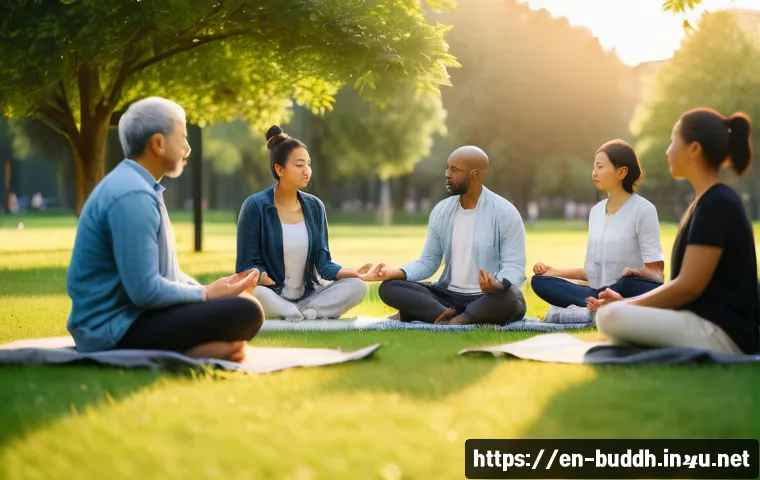
In a world where social tensions and misunderstandings seem to rise daily, finding ways to cultivate genuine respect for others has never been more important.

Buddhist teachings, with their timeless wisdom, offer practical insights that encourage compassion and mindfulness in our everyday interactions. By exploring these ancient principles, we can uncover simple yet profound ways to nurture empathy and kindness in our busy lives.
If you’ve ever wondered how spirituality can translate into real-world harmony, this reflection on Buddhist values might just inspire a fresh perspective.
Let’s dive into how these teachings can transform the way we relate to those around us.
Embracing Compassion as a Daily Practice
Understanding Compassion Beyond Sympathy
Compassion in Buddhist thought goes far deeper than just feeling sorry for someone. It involves an active desire to alleviate suffering, which requires us to tune in carefully to the experiences of others without judgment.
From my own experience, this shift from passive sympathy to active compassion changes how we engage with people in everyday situations. Instead of merely acknowledging someone’s hardship, compassion pushes us to respond with kindness and patience, even when it’s inconvenient.
This approach fosters genuine connections because it roots our interactions in empathy, making us more mindful of the impact our words and actions have on others.
Practicing Compassion in Busy Lives
One of the biggest challenges is maintaining compassion when life feels hectic and stress levels soar. What I’ve found helpful is carving out small moments to pause and reflect before reacting—whether it’s during a frustrating email exchange or a tense conversation.
Buddhist teachings encourage this mindful pause, which acts like a reset button for our emotional responses. By consciously choosing patience and understanding instead of snapping back, we nurture respect and prevent conflicts from escalating.
This practice isn’t about perfection but about consistent effort, which over time reshapes how we relate to those around us.
The Ripple Effect of Compassionate Actions
Compassion doesn’t just benefit the receiver; it transforms the giver as well. When we approach others with kindness, we often experience a sense of inner peace and satisfaction that can’t be found through self-centered pursuits.
This positive energy spreads, creating a ripple effect that influences entire communities. In my own circles, I’ve noticed how small acts—like listening attentively or offering a genuine compliment—can shift group dynamics toward harmony.
This ripple effect demonstrates how Buddhist principles can be practical tools for social cohesion, proving that respect and empathy are powerful forces in healing divisions.
The Role of Mindfulness in Strengthening Respect
Mindfulness as an Awareness Tool
Mindfulness is often described as paying attention, on purpose, to the present moment without judgment. This simple yet profound practice helps us become aware of our own biases, assumptions, and knee-jerk reactions that might hinder respectful interactions.
I remember times when I caught myself reacting defensively during a disagreement. Mindfulness allowed me to step back, notice those feelings, and choose a calmer response.
This awareness opens up space for understanding others rather than reacting based on misunderstandings or ego-driven impulses.
Incorporating Mindfulness in Communication
Active listening, a core aspect of mindful communication, is essential for fostering respect. This means fully focusing on the speaker, acknowledging their feelings, and withholding judgment or interruption.
When I started practicing this, conversations became more meaningful and less confrontational. People tend to mirror the respect they receive, so mindful communication creates a safe environment where everyone feels heard and valued.
Over time, this habit strengthens trust and reduces the likelihood of misunderstandings.
Mindfulness as a Bridge Over Differences
In diverse social settings, mindfulness helps us navigate cultural, ideological, or personal differences with grace. Instead of reacting to differences with fear or frustration, mindfulness invites curiosity and openness.
Personally, I’ve found that approaching unfamiliar viewpoints with a mindful attitude reduces defensiveness and invites dialogue rather than conflict.
This shift transforms encounters that could be divisive into opportunities for learning and connection.
Letting Go of Ego to Honor Others
The Trap of Self-Centered Thinking
Ego often blinds us to the needs and feelings of others. It drives us to prioritize our own perspectives, sometimes at the expense of respect and understanding.
I’ve noticed that when my ego takes over, conversations become battles rather than exchanges. Buddhist teachings remind us that the ego is not our true self but a constructed identity that can create barriers.
Recognizing this helps us loosen its grip and open up space to genuinely honor others.
Humility as a Pathway to Respect
Humility is about acknowledging that we don’t have all the answers and that others’ experiences are equally valid. This doesn’t mean diminishing ourselves but rather balancing confidence with openness.
Practicing humility in social interactions has allowed me to listen more deeply and respond with greater kindness. It’s a subtle yet powerful way to cultivate mutual respect because it shifts focus from winning to understanding.
Transforming Conflict Through Ego Awareness
When conflicts arise, they often stem from clashing egos rather than actual issues. By becoming aware of our ego’s influence, we can choose to step back and respond thoughtfully rather than react impulsively.
This practice transforms potential conflicts into opportunities for growth and reconciliation. I’ve personally seen how admitting mistakes or simply acknowledging the other person’s perspective diffuses tension and builds stronger bonds.
Building Empathy Through Shared Humanity
Recognizing Common Struggles
Empathy grows when we see others not as “them” but as fellow human beings with similar hopes, fears, and challenges. Buddhist teachings emphasize interconnectedness, which helps us appreciate that suffering and joy are universal experiences.
This realization has helped me break down invisible walls that separate us and approach others with greater warmth and understanding.
Using Stories to Foster Empathy
Sharing personal stories or listening to others’ narratives is a powerful way to build empathy. Stories provide context and depth, making abstract concepts relatable.
In my community, storytelling sessions have opened hearts and minds, allowing participants to connect beyond superficial differences. This practice aligns with Buddhist values by encouraging openness and compassion in a natural, engaging way.
Empathy as a Foundation for Social Change
Empathy doesn’t just improve individual relationships; it can inspire collective action toward justice and equality. When we truly feel for others, we’re more motivated to challenge unfair systems and support inclusive communities.
I’ve witnessed how empathy-driven initiatives create lasting impact because they come from a place of genuine care rather than obligation.
Patience as a Cornerstone of Respectful Interaction
Understanding Patience in the Face of Challenges
Patience is often misunderstood as passive waiting, but in Buddhist practice, it’s an active quality that involves endurance and tolerance without resentment.
Life constantly tests our patience—whether through difficult people, slow progress, or unexpected setbacks. I’ve learned that cultivating patience helps maintain calm and clarity, allowing respectful dialogue even in tense moments.
Patience in Listening and Responding
Listening patiently means giving others the time and space to express themselves fully. This kind of patience signals respect and encourages openness.
I remember times when simply waiting silently while someone gathered their thoughts led to breakthroughs in understanding. Similarly, responding with patience rather than haste reduces misunderstandings and fosters more meaningful connections.
Patience as a Practice of Self-Compassion
Being patient with others often starts with being patient with ourselves. Buddhism teaches that self-compassion is essential for extending genuine respect outward.
When I practice patience with my own mistakes and limitations, I find it easier to extend that same grace to others. This cycle strengthens relationships and supports personal growth.
How Mindful Speech Enhances Mutual Respect
The Power of Words in Shaping Relationships
Words have the power to heal or harm, build bridges or walls. Mindful speech, a key Buddhist principle, encourages us to speak truthfully, kindly, and purposefully.
From my own trials, I’ve learned that choosing words carefully can prevent unnecessary conflict and deepen trust. This awareness fosters a culture of respect where communication uplifts rather than divides.
Practicing Right Speech in Daily Life
Right speech involves avoiding gossip, harsh criticism, and idle chatter that can damage relationships. Instead, it promotes honest, compassionate, and constructive communication.
I’ve found that practicing right speech requires ongoing mindfulness and courage, especially when addressing difficult topics. But the rewards—a more respectful and supportive environment—are well worth the effort.
Listening as Part of Mindful Speech
Mindful speech is incomplete without mindful listening. Truly hearing others without planning a rebuttal or judgment is a radical act of respect. In my experience, when both parties engage in mindful speech and listening, conversations become more collaborative and less confrontational, setting the stage for mutual understanding.
Table: Key Buddhist Principles Supporting Respect and Compassion
| Principle | Description | Practical Application |
|---|---|---|
| Compassion | Active desire to alleviate others’ suffering with empathy | Respond kindly in daily interactions, even under stress |
| Mindfulness | Non-judgmental awareness of present moment | Pause before reacting, practice active listening |
| Humility | Recognizing one’s limitations and valuing others’ perspectives | Admit mistakes, seek understanding over winning |
| Patience | Endurance and tolerance without resentment | Listen fully, tolerate delays and frustrations calmly |
| Right Speech | Speaking truthfully, kindly, and purposefully | Avoid gossip, practice honest and constructive communication |
The Role of Gratitude in Honoring Others
Gratitude as Recognition of Interconnectedness
Gratitude opens our eyes to the countless ways others support and enrich our lives. Buddhist teachings remind us that no one exists in isolation; we depend on one another continuously.
When I consciously practice gratitude, it shifts my perspective from taking others for granted to appreciating their presence and efforts. This attitude naturally cultivates respect and deepens relationships.
Expressing Gratitude to Strengthen Bonds
Simple acts of expressing thanks—whether through words, notes, or gestures—can transform social dynamics. I’ve noticed that when I sincerely thank someone, it encourages a positive feedback loop of kindness and respect.
Gratitude becomes a bridge that connects hearts and fosters goodwill, even in challenging circumstances.
Gratitude as a Foundation for Resilience
In difficult times, gratitude helps maintain a balanced outlook by focusing on what we have rather than what’s lacking. This mindset reduces frustration and nurtures patience with others.
Personally, embracing gratitude has helped me navigate conflicts with more composure and respect, reinforcing the Buddhist ideal that inner peace radiates outward.
Creating Space for Forgiveness and Healing
Forgiveness as an Act of Self-Liberation
Forgiveness in Buddhism is not about condoning harmful actions but freeing ourselves from the burden of resentment. Holding grudges often blinds us to others’ humanity and stalls personal growth.
I’ve found that forgiving—even when it’s hard—releases emotional weight and opens the door to renewed respect and understanding.
Steps Toward Genuine Forgiveness
The process involves acknowledging hurt, reflecting on the shared human capacity for mistakes, and choosing to let go. This can be challenging but deeply rewarding.
In my experience, patience and mindfulness support this journey, helping transform pain into compassion, which restores broken connections.
Healing Communities Through Forgiveness
On a larger scale, forgiveness fosters reconciliation and social healing. Communities that embrace forgiveness create safer, more inclusive environments.
I’ve witnessed how restorative justice programs, grounded in these principles, rebuild trust and promote long-term harmony, showing the practical power of Buddhist-inspired respect.
The Importance of Consistent Reflection and Growth
Regular Self-Examination for Deeper Understanding
Buddhism encourages ongoing reflection to understand one’s motives and behaviors. This practice helps identify moments when respect was lacking and offers opportunities for growth.
I’ve found journaling or meditative reflection invaluable in cultivating self-awareness and improving interactions with others.
Learning from Mistakes and Adjusting Behavior
Acknowledging errors without harsh self-criticism allows for genuine improvement. When I treat mistakes as learning moments, I become more patient and forgiving with myself and others.
This cycle promotes humility and strengthens respect in all relationships.
Commitment to Lifelong Growth
Respect and compassion are not destinations but ongoing journeys. Embracing this mindset encourages resilience and openness to change. Personally, committing to this path has enriched my social connections and deepened my appreciation for the wisdom embedded in Buddhist teachings.
Closing Thoughts
Embracing compassion and mindfulness in our daily lives profoundly transforms how we relate to others and ourselves. These practices encourage patience, humility, and genuine respect, fostering deeper connections and social harmony. By integrating these principles consistently, we create a foundation for personal growth and meaningful relationships. Ultimately, living with compassion becomes a powerful force for positive change in both our inner world and the communities around us.
Useful Information to Remember
1. Compassion requires active engagement, not just feeling sorry; it invites us to respond with kindness even when it’s challenging.
2. Mindfulness helps us become aware of our reactions and biases, enabling calmer and more respectful interactions.
3. Humility opens the door to understanding others by balancing confidence with openness to different perspectives.
4. Patience is an active quality that supports listening fully and responding thoughtfully, strengthening relationships.
5. Expressing gratitude and forgiveness nurtures resilience, healing, and deeper social bonds.
Key Takeaways
Respect and compassion thrive through consistent self-awareness and intentional practice. By recognizing the role of ego and cultivating mindfulness, we create space for empathy and meaningful communication. These qualities not only improve individual relationships but also contribute to social cohesion and healing. Remember, the journey toward respect is ongoing, requiring patience, humility, and a heartfelt commitment to growth and understanding.
Frequently Asked Questions (FAQ) 📖
Q: How can Buddhist teachings help me develop more genuine respect for others in daily life?
A: Buddhist teachings emphasize mindfulness and compassion, which are key to fostering genuine respect. By practicing mindfulness, you become more aware of your own reactions and biases, allowing you to respond to others with patience and understanding rather than judgment.
Compassion encourages you to see beyond surface behaviors and appreciate the shared human experience, helping you treat others with kindness even when disagreements arise.
Personally, I’ve found that incorporating simple mindfulness exercises throughout the day helps me pause and choose respectful responses, making my interactions feel more authentic and connected.
Q: What practical steps can I take to apply Buddhist principles to reduce social tension around me?
A: Start by cultivating active listening—really hearing what others are saying without rushing to respond or judge. This alone can diffuse many misunderstandings.
Next, practice loving-kindness meditation, which gently trains your mind to wish well for yourself and others, softening hard feelings. Also, remind yourself of impermanence: conflicts and tensions are often temporary and can be seen as opportunities for growth rather than threats.
In my experience, even small habits like taking a mindful breath before reacting in a heated moment have helped me stay calm and empathetic, leading to more peaceful exchanges.
Q: Is it necessary to be religious or Buddhist to benefit from these teachings in everyday relationships?
A: Absolutely not. The beauty of Buddhist principles like compassion, mindfulness, and respect is that they transcend religion and culture. You don’t need to identify as Buddhist or follow any religious rituals to apply these ideas.
They are practical tools for improving how you relate to others and manage your own emotions. Many people—including myself—have integrated these teachings simply as life skills that enhance empathy and reduce conflict, making daily interactions more harmonious regardless of personal beliefs.