Imagine a life uncluttered, where inner peace reigns supreme. Buddhism, at its heart, champions this very notion through minimalism. It’s not about stark emptiness, but about mindful consumption and shedding attachments that weigh us down.
I’ve personally found that decluttering my space often leads to decluttering my mind, creating a sense of calm that’s hard to find elsewhere. The teachings guide us towards a simpler existence, focusing on what truly matters, freeing us from the endless pursuit of “more.” Even small steps, like donating unused items or resisting impulse buys, can have a profound impact on your well-being.
Let’s delve deeper into the art of Buddhist minimalism in the sections below.
## Embracing Simplicity: Releasing the Grip of Material PossessionsIn our consumer-driven world, it’s easy to get caught up in the relentless pursuit of acquiring more.
From the latest gadgets to fashionable clothes, we’re constantly bombarded with messages telling us what we need to buy to be happy. However, this constant desire for material possessions can lead to a feeling of dissatisfaction and a sense of being weighed down.
I remember a time when my apartment was overflowing with things I rarely used, and I felt stressed and overwhelmed. It was only when I started decluttering that I realized how much lighter I felt, both physically and mentally.
Buddhism suggests a different path, one that emphasizes contentment with what we have and detachment from the craving for more.
Breaking Free From the Cycle of Wanting

Our culture often equates happiness with ownership, leading us to believe that having the newest and best things will make us feel fulfilled. This creates a cycle of wanting, where we’re constantly chasing the next purchase, never truly satisfied.
* Recognizing this cycle is the first step towards breaking free. * Mindfulness practices, such as meditation, can help us become more aware of our desires and understand their root causes.
* Instead of impulsively buying something, take a moment to ask yourself if you truly need it or if you’re just trying to fill a void.
Cultivating Gratitude for What You Have
Shifting our focus from what we lack to what we already have can significantly improve our sense of well-being. Gratitude helps us appreciate the simple things in life and reduces our dependence on external sources of happiness.
* Start a gratitude journal and write down things you’re grateful for each day. * Express your appreciation to others. * Take time to savor everyday moments, like a good cup of coffee or a beautiful sunset.
Mindful Consumption: Making Conscious Choices
Buddhist minimalism isn’t about depriving ourselves of everything. Instead, it’s about being mindful of our consumption habits and making conscious choices that align with our values.
It’s about asking ourselves, “Do I really need this?” before making a purchase and choosing quality over quantity. I used to be a shopaholic, buying clothes I didn’t need just because they were on sale.
It wasn’t until I started practicing mindful consumption that I realized how much money and energy I was wasting. Now, I only buy things that I truly need and that will last for a long time.
Questioning the “Need” Behind Our Purchases
Marketing and advertising are designed to make us feel like we need things we don’t actually need. They create desires and anxieties that drive us to buy more and more.
* Before making a purchase, ask yourself why you want it. * Is it something you truly need, or are you just trying to impress others or fill a void?
* Be aware of the marketing tactics that are being used to influence your decisions.
Supporting Sustainable and Ethical Practices
Our consumption habits have a significant impact on the environment and the lives of others. Choosing to support sustainable and ethical businesses can help reduce our negative impact and promote a more just and equitable world.
* Look for products that are made from sustainable materials and that are produced in a way that is fair to workers. * Consider buying used or recycled items.
* Support local businesses that are committed to ethical practices.
Decluttering as a Path to Clarity
Physical clutter often mirrors mental clutter. A cluttered space can be overwhelming and make it difficult to focus. I’ve noticed that when my home is organized, my mind feels clearer and more at peace.
Decluttering not only frees up physical space but also creates mental space for new ideas and experiences. It’s like hitting the reset button on your life, allowing you to start fresh.
The simple act of tidying up can bring a surprising amount of clarity and calm.
The KonMari Method and Beyond
Marie Kondo’s KonMari Method offers a structured approach to decluttering by asking if an item “sparks joy.” This is a great starting point, but consider additional factors like usefulness and necessity.
* Go through each item you own and ask yourself if it brings you joy or serves a purpose. * If the answer is no, consider donating, selling, or responsibly disposing of it.
* Don’t be afraid to let go of sentimental items that are holding you back.
Creating a Sanctuary of Simplicity
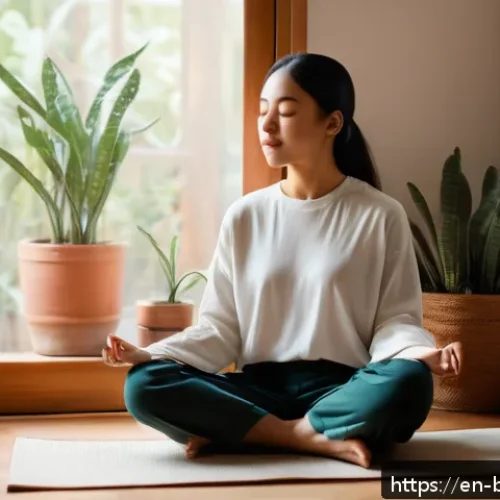
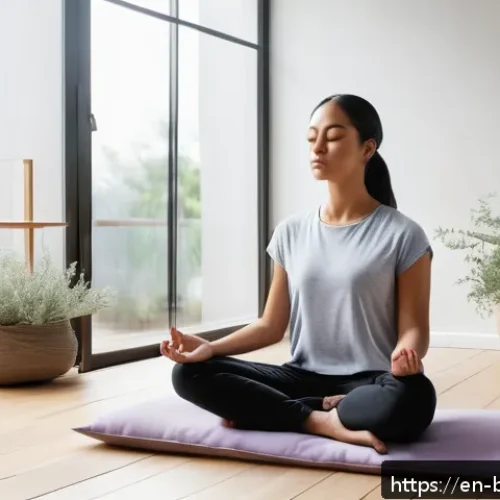
Once you’ve decluttered, focus on creating a space that is calming and conducive to mindfulness. This could involve adding plants, using natural light, or creating a meditation corner.
* Keep your space tidy and organized. * Remove distractions like electronics and clutter. * Create a space that you enjoy spending time in.
Cultivating Inner Peace Through Detachment
Buddhism teaches that attachment is the root of suffering. When we cling to things, people, or ideas, we set ourselves up for disappointment and pain.
Learning to detach doesn’t mean we can’t enjoy life; it means we can appreciate things without becoming overly attached to them. This is a concept I’ve struggled with, especially when it comes to relationships.
I’ve learned that true love means wanting the best for someone, even if that means letting them go.
Understanding the Impermanence of All Things
Everything in life is constantly changing. Relationships, possessions, and even our own bodies are subject to impermanence. Accepting this truth can help us let go of attachments and appreciate the present moment.
* Practice mindfulness to become more aware of the impermanent nature of reality. * Reflect on the times when you’ve lost something you were attached to and how you coped with the loss.
* Remember that clinging to things only leads to suffering.
Practicing Non-Attachment in Daily Life
Non-attachment is not about indifference; it’s about approaching life with a sense of openness and acceptance. It’s about enjoying the good things in life without clinging to them and being able to let go of the bad things without becoming overwhelmed.
* Practice non-judgment and acceptance towards yourself and others. * Let go of expectations and be open to whatever arises. * Focus on the present moment rather than dwelling on the past or worrying about the future.
Time Minimalism: Reclaiming Your Most Precious Resource
Just as we can be cluttered with possessions, we can also be cluttered with commitments and activities. Time minimalism involves prioritizing what truly matters and eliminating time-wasting activities.
I used to fill my days with endless meetings and obligations, leaving me feeling stressed and exhausted. It wasn’t until I started saying “no” to things that didn’t align with my values that I realized how much time I had been wasting.
Prioritizing Activities That Align With Your Values
Identifying your core values and prioritizing activities that align with them is essential for time minimalism. What truly matters to you? What do you want to spend your time doing?
* Make a list of your core values. * Identify activities that align with those values. * Eliminate activities that don’t align with your values.
Saying “No” to Overcommitment
Saying “no” can be difficult, especially when you want to be helpful and supportive. However, overcommitting yourself can lead to burnout and resentment.
* Practice saying “no” without feeling guilty. * Be clear about your boundaries. * Remember that saying “no” to some things allows you to say “yes” to others.
Digital Minimalism: Finding Balance in a Connected World
In today’s digital age, it’s easy to get lost in the endless scroll of social media or the constant stream of notifications. Digital minimalism involves being intentional about our technology use and setting boundaries to protect our time and attention.
I’ve found that limiting my social media use has significantly improved my focus and reduced my anxiety. I now use technology as a tool, rather than letting it control me.
Setting Boundaries for Technology Use
Establishing clear boundaries for technology use is crucial for digital minimalism. This could involve setting time limits, turning off notifications, or creating tech-free zones in your home.
* Set specific times for checking email and social media. * Turn off notifications for non-essential apps. * Create tech-free zones in your home, such as the bedroom or dining room.
Cultivating Real-Life Connections
Technology can be a great tool for connecting with others, but it’s important to also cultivate real-life connections. Spending time with loved ones, engaging in hobbies, and volunteering in your community can all help you feel more connected and fulfilled.
* Schedule regular time to spend with friends and family. * Join a club or organization that aligns with your interests. * Volunteer in your community.
Here is a table summarizing the key aspects of Buddhist Minimalism:
| Aspect | Description | Benefits |
|---|---|---|
| Material Simplicity | Reducing possessions to essentials; mindful consumption. | Reduced stress, increased freedom, financial savings. |
| Time Minimalism | Prioritizing activities aligned with values; eliminating time-wasting activities. | Increased productivity, reduced stress, more time for meaningful pursuits. |
| Digital Minimalism | Intentional technology use; setting boundaries for screen time. | Improved focus, reduced anxiety, stronger real-life connections. |
| Mental Clarity | Decluttering physical and mental space; practicing detachment. | Increased peace of mind, improved focus, greater appreciation for the present moment. |
By incorporating these principles into our lives, we can move towards a more peaceful, fulfilling, and meaningful existence. Buddhist minimalism is not just about decluttering our homes; it’s about decluttering our minds and hearts, allowing us to live more fully in the present moment.
Embracing simplicity through Buddhist minimalism has been a transformative journey for me. It’s not about depriving ourselves but about cultivating awareness and gratitude.
By decluttering our lives, both physically and mentally, we can create space for what truly matters: inner peace, meaningful connections, and a deep appreciation for the present moment.
I genuinely believe that by adopting these practices, we can lead more fulfilling and authentic lives. Give it a try—you might just surprise yourself!
Wrapping Up
Ultimately, the path of Buddhist minimalism invites us to live with intention, gratitude, and awareness. It’s about simplifying our lives to make room for what truly matters: inner peace, meaningful relationships, and a deeper connection to the present moment. As you embark on this journey, remember that it’s a process of continuous learning and refinement. Embrace the challenges, celebrate the small victories, and trust in your ability to create a life of simplicity and joy.
Through mindful consumption, detachment, and inner reflection, we can find contentment and peace in a world that often equates happiness with material possessions. It’s a journey of self-discovery and a path toward a more meaningful and fulfilling life. I hope this journey to embracing simplicity will ultimately improve your life.
Good-to-Know Info
1. The Minimalists Podcast: A fantastic resource for inspiration and practical tips on minimalism.
2. Your Local Charity Shops: Donating your unwanted items is a great way to declutter and support your community. Here in the U.S., check out Goodwill or The Salvation Army.
3. Mindfulness Apps: Apps like Headspace or Calm can help you develop mindfulness practices to reduce impulsive buying.
4. Borrowing or Renting: Before buying something, consider if you can borrow it from a friend or rent it from a local rental service.
5. Freecycle Groups: A great way to give away items you no longer need to others in your community for free.
Key Takeaways
Buddhist minimalism is about finding contentment by simplifying your life.
Mindful consumption involves questioning your needs and supporting ethical practices.
Decluttering your physical space can lead to mental clarity and peace.
Detachment means appreciating things without clinging to them, accepting the impermanence of life.
Time minimalism prioritizes activities that align with your values, saying “no” to overcommitment.
Digital minimalism balances technology use with real-life connections for improved focus and reduced anxiety.
Frequently Asked Questions (FAQ) 📖
Q: Is Buddhist minimalism just about getting rid of stuff?
A: Not really. While decluttering your physical space is a part of it, Buddhist minimalism goes deeper. It’s about cultivating a mindset of non-attachment and mindful consumption.
I’ve noticed that for me, it’s about being really honest with myself about what I actually need versus what I just want. It’s surprisingly liberating to realize you can be happy with less.
Q: How can I start practicing Buddhist minimalism if I’m used to a lot of possessions?
A: Start small! Don’t feel like you have to throw everything away overnight. Maybe begin by decluttering one drawer or a single shelf.
The key is to be mindful as you go. Ask yourself if each item truly brings you joy or serves a purpose. I actually started with my closet – getting rid of clothes I hadn’t worn in over a year.
It was way easier than I thought and gave me a real sense of accomplishment. Then maybe tackle your email inbox, unsubscribe from unnecessary newsletters.
It’s a journey, not a race.
Q: Does Buddhist minimalism mean I can never buy anything new again?
A: Definitely not! It’s not about deprivation, but about conscious choices. Instead of impulsively buying the latest gadget or trend, take a moment to consider if it will truly enhance your life.
I try to ask myself before purchasing something new: “Do I really need this, or am I just trying to fill a void?” If it’s something that will genuinely improve your life or bring you joy, and you can afford it, then go for it!
The point is to avoid mindless consumption and appreciate what you already have. Maybe consider buying something secondhand instead of brand new, or opting for experiences rather than material possessions.
That concert I went to last year brought me way more joy than any new sweater ever could!
📚 References
Wikipedia Encyclopedia